

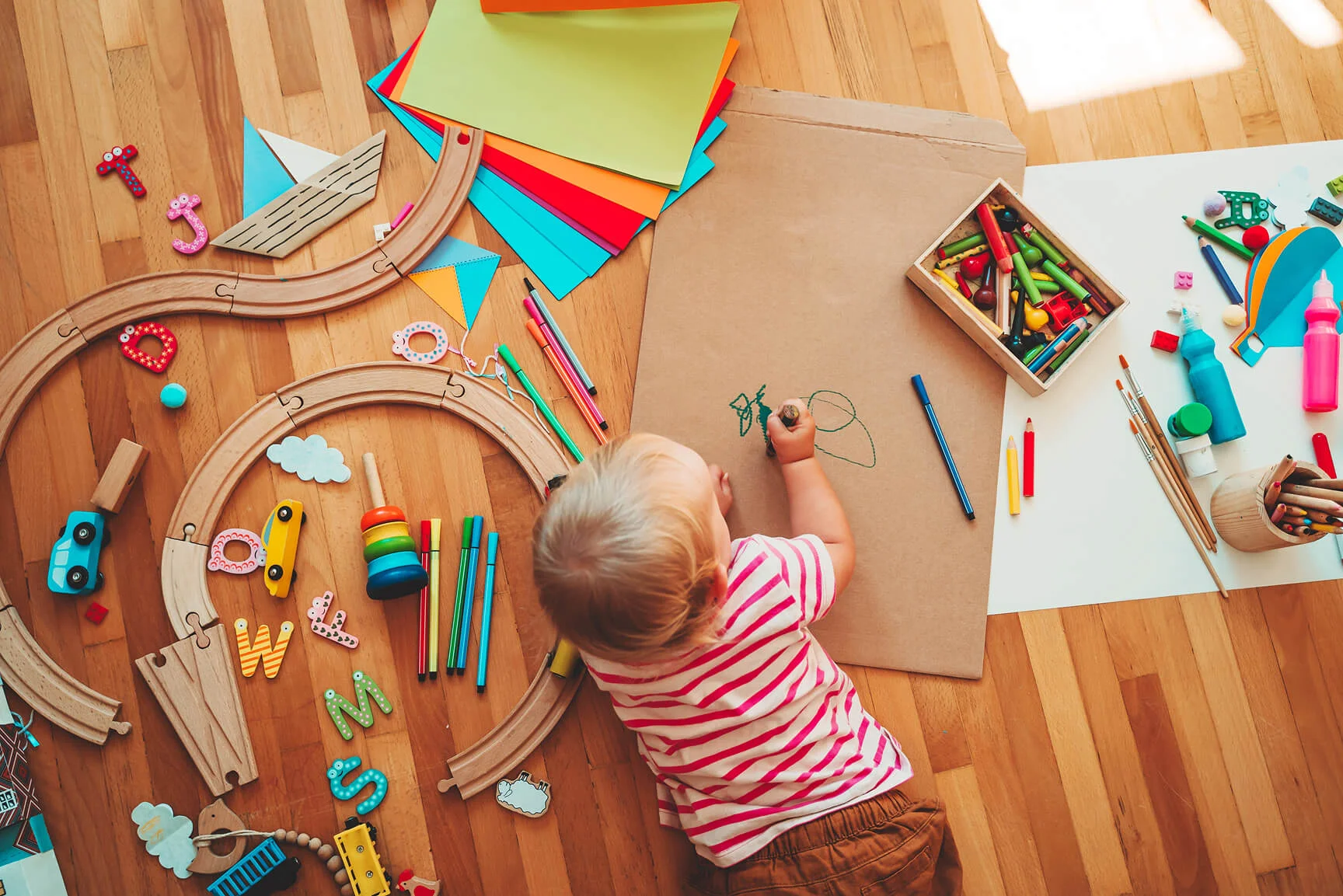
The benefits of preschool go beyond learning letters and numbers. Early childhood education also supports communication, emotional growth, physical coordination, and problem-solving. For parents considering preschool, understanding these benefits can help them choose a learning environment that supports their child's needs and development.
How Preschool Supports Early Learning and Cognitive Development
Children are naturally curious about the world around them. Preschool builds on that curiosity by introducing new ideas through hands-on activities, guided lessons, and play.
One important benefit of preschool is early literacy development. Children listen to stories, sing songs, recognize letters, and learn new words through conversations with teachers and classmates. These experiences help them understand language and develop an interest in reading.
Preschool also introduces basic math concepts through everyday activities. Children might count blocks, sort objects by color, identify shapes, or recognize patterns during games. These activities help them become familiar with numbers and mathematical thinking.
Problem-solving is another important part of early learning. When children complete puzzles, build structures, or experiment with different materials, they practice thinking through challenges and finding solutions.
Preschool activities also help children develop executive function skills. These include:
- Memory: Remembering instructions, classroom routines, and information from previous activities.
- Attention: Staying engaged during stories, games, and age-appropriate learning activities.
- Flexible thinking: Trying different approaches when something does not work.
- Self-control: Practicing patience, taking turns, and following classroom expectations.
Teachers support these skills by offering activities that match children's developmental abilities.
A strong foundation in early childhood education helps children develop curiosity, confidence, and a willingness to explore new ideas.
Social and Emotional Benefits of Preschool
Preschool introduces children to a community where they interact with classmates and teachers outside their immediate families. These daily interactions create opportunities to develop important social and emotional skills.
Children learn how to share materials, take turns, participate in group activities, and communicate their needs. They also begin understanding that other people may have different feelings, opinions, and preferences.
For example, two children might want to play with the same toy. A teacher can help them explain their feelings, listen to each other, and find a solution. Over time, experiences like this help children practice cooperation and conflict resolution.
Preschool also supports emotional development. Young children are still learning how to recognize and manage feelings such as frustration, excitement, disappointment, and sadness.
Teachers can help by naming emotions, modeling appropriate responses, and encouraging children to express themselves through words.
Play is especially valuable for developing these skills. During pretend play, children explore different roles, practice communication, and learn to understand other perspectives. Group games provide opportunities to cooperate, follow rules, and celebrate shared accomplishments.
The importance of play in early childhood education extends across many areas of development, including social relationships and emotional understanding.
Parents can reinforce these skills at home by encouraging conversations about feelings, playing turn-taking games, and helping children work through everyday disagreements.
As children develop friendships and become comfortable participating in classroom activities, they may also gain confidence in unfamiliar social situations.
How Preschool Encourages Physical Development and Independence
Physical development is another important benefit of preschool. Children strengthen their bodies and improve coordination through movement, outdoor activities, and hands-on play.
Activities such as running, jumping, climbing, and dancing support gross motor development. These movements help children practice balance, coordination, and control over larger muscle groups.
Fine motor development involves smaller movements of the hands and fingers. Preschool activities that support these skills include:
- Drawing, painting, and coloring
- Building with blocks
- Completing puzzles
- Using child-safe scissors
- Working with clay or other art materials
These activities help children develop coordination for everyday tasks such as holding utensils, managing clothing, and eventually writing.
Preschool also encourages children to become more independent.
Throughout the day, children practice putting away their belongings, washing their hands, cleaning up materials, and following simple routines. Teachers provide guidance while giving children opportunities to complete age-appropriate tasks on their own.
Predictable routines help children understand what comes next and become more comfortable managing daily responsibilities.
Every child develops at a different pace. A supportive preschool environment recognizes these differences and provides opportunities for children to build physical skills and independence gradually.
Why Preschool Helps Children Prepare for Kindergarten
Starting kindergarten introduces children to new teachers, classmates, schedules, and learning expectations. Preschool can help make this transition more familiar by introducing children to classroom experiences at an earlier age.
Children become comfortable participating in group activities, listening to teachers, following directions, and moving between different parts of the school day.
These experiences help them understand how a classroom works and what is expected during learning activities.
Kindergarten readiness includes several important skills:
- Communication: Expressing needs, asking questions, and participating in conversations.
- Social interaction: Cooperating with classmates and building positive relationships.
- Independence: Managing personal belongings and completing simple tasks.
- Attention: Listening to instructions and participating in age-appropriate activities.
- Early academics: Recognizing some letters, numbers, shapes, and patterns.
- Emotional development: Practicing ways to manage feelings and ask for help.
Children do not need to master every skill before entering kindergarten. Readiness involves overall development, and children continue learning these abilities throughout their school years.
Preschool teachers help children practice these skills through stories, games, creative activities, and daily classroom routines.
For example, a child who participates in a group art project practices listening, following directions, sharing materials, and expressing ideas. These experiences combine several areas of development in one activity.
Understanding the importance of Pre-K can also help parents see how early learning experiences support the transition to kindergarten.
When children feel comfortable exploring new ideas, interacting with others, and asking questions, they can approach their next school experience with greater confidence.
The Long-Term Benefits of Early Childhood Education
The benefits of preschool can continue as children move into kindergarten and elementary school.
Early education introduces habits and experiences that support future learning. Children practice asking questions, exploring unfamiliar ideas, working with others, and finding solutions to everyday challenges.
These experiences can encourage curiosity and a positive attitude toward learning.
Preschool also provides opportunities for children to develop communication skills and confidence. Learning to express ideas, participate in group activities, and approach challenges can help children adapt to new situations as they grow.
Teachers play an important role in recognizing each child's strengths and identifying areas where additional support may be helpful.
Through classroom observations and regular communication with families, educators can better understand how children are developing and adjust activities to meet their needs.
Research suggests that high-quality early childhood education can support later academic and social development. However, outcomes vary depending on individual needs, family experiences, program quality, and other factors.
Preschool is one part of a child's overall development. Relationships at home, family involvement, and everyday learning experiences also contribute to growth.
Understanding the importance of the early years in children's development can help families recognize how experiences during childhood build foundations for future learning.
How to Choose the Right Preschool for Your Child
Choosing a preschool is an important decision for families. The right environment should help children feel comfortable, supported, and excited to learn.
When comparing preschool programs, consider how each school approaches learning and supports children's individual developmental needs.
Some programs emphasize play-based learning, while others incorporate more teacher-guided academic activities. Many high-quality programs combine both approaches to create a balanced learning experience.
Other important factors include teacher qualifications, class size, safety practices, daily schedules, and opportunities for creative and outdoor activities.
Communication between families and teachers is also valuable. Regular updates help parents understand what their children are learning and how they are adjusting to the classroom.
Visiting a preschool can provide a better understanding of its environment, educational approach, and daily routines.
Questions to Ask During a Preschool Tour
A school tour gives parents an opportunity to observe classrooms and speak directly with educators.
Consider asking these questions:
- What does a typical preschool day look like?
- How do teachers support social and emotional development?
- What is the teacher-to-child ratio?
- How are activities adapted for different learning needs?
- How does the school communicate with parents?
- What opportunities are available for outdoor play and creative activities?
- How does the preschool prepare children for kindergarten?
During your visit, observe how teachers interact with children and how students participate in classroom activities. Look for a welcoming environment where children have opportunities to ask questions, explore materials, and interact with others.
At The Brunswick School, families can explore an educational approach that supports children's learning and development during the early years.
Learn more about The Brunswick School experience and review the school's FAQ for additional information about programs and enrollment.
Contact The Brunswick School to schedule a visit and discover how preschool can help your child build a strong foundation for future learning.