





Schedule a Tour
Looking to set up time to visit one of our two downtown, Jersey City campuses? Click to find the perfect time for your schedule. Moving to Jersey City? Let's us take you on a virtual tour!


The Brunswick School Announces 3rd and 4th Grade Launch for the 2027-2028 School Year.
After reaching specific cognitive, social and emotional milestones detailed in our preschool program, Brunswick School students will be ready to enroll in our Kindergarten class (must be 5 by December of the school year).
As students develop cognitively, they develop an increasing sense of educational initiative. They learn from making choices and developing their own ideas for play and the use of learning materials. The learning environment at The Brunswick School is designed to foster this development. As students approach Kindergarten, this initiative will become more product oriented. As students grow and develop an increasing sense of self, they will evaluate their own growth and performance. At the Kindergarten level, students intrinsically want to learn and complete learning tasks as these experiences of success nurture feelings of self-worth and competency.
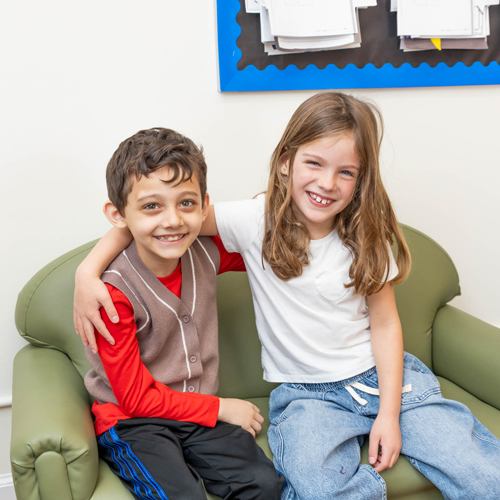
Elementary classrooms at Brunswick function as structured learning communities. Teachers create opportunities for students to investigate, represent and reflect on what they are learning through hands-on experiences and guided exploration. Learning activities are designed with clear goals and encourage students to build understanding rather than memorize information. The teacher’s role in this learning community is to assess what children already know about a given subject or skill and to provide active learning activities that will help them to construct new understandings based on that knowledge. Teachers provide feedback and appropriate choices for children throughout the learning process, trying to guide children to make sense of new information, not just to memorize it.
Skill development in Elementary focuses on the following areas:
Instruction is delivered through thematic units rooted in the arts. Music, visual arts and dramatic play are integrated to deepen comprehension and keep learning engaging and relevant.
As students develop the cognitive skills necessary for grade school, they will become less dependent on adults. At the Kindergarten-2nd grade level, teachers will create a structured environment in which students share responsibility for keeping the classroom neat and orderly, know how to get and use materials properly, and function with increasing levels of independence. Structure comes from a well-organized classroom environment, a daily schedule, routines that are predictable and clear expectations about behavior in an elementary classroom.
The Elementary Grade levels use the McGraw Hill Research Based Curriculum. To read more about this program, please click here.
WEEKLY ENRICHMENT CLASSES INCLUDED:
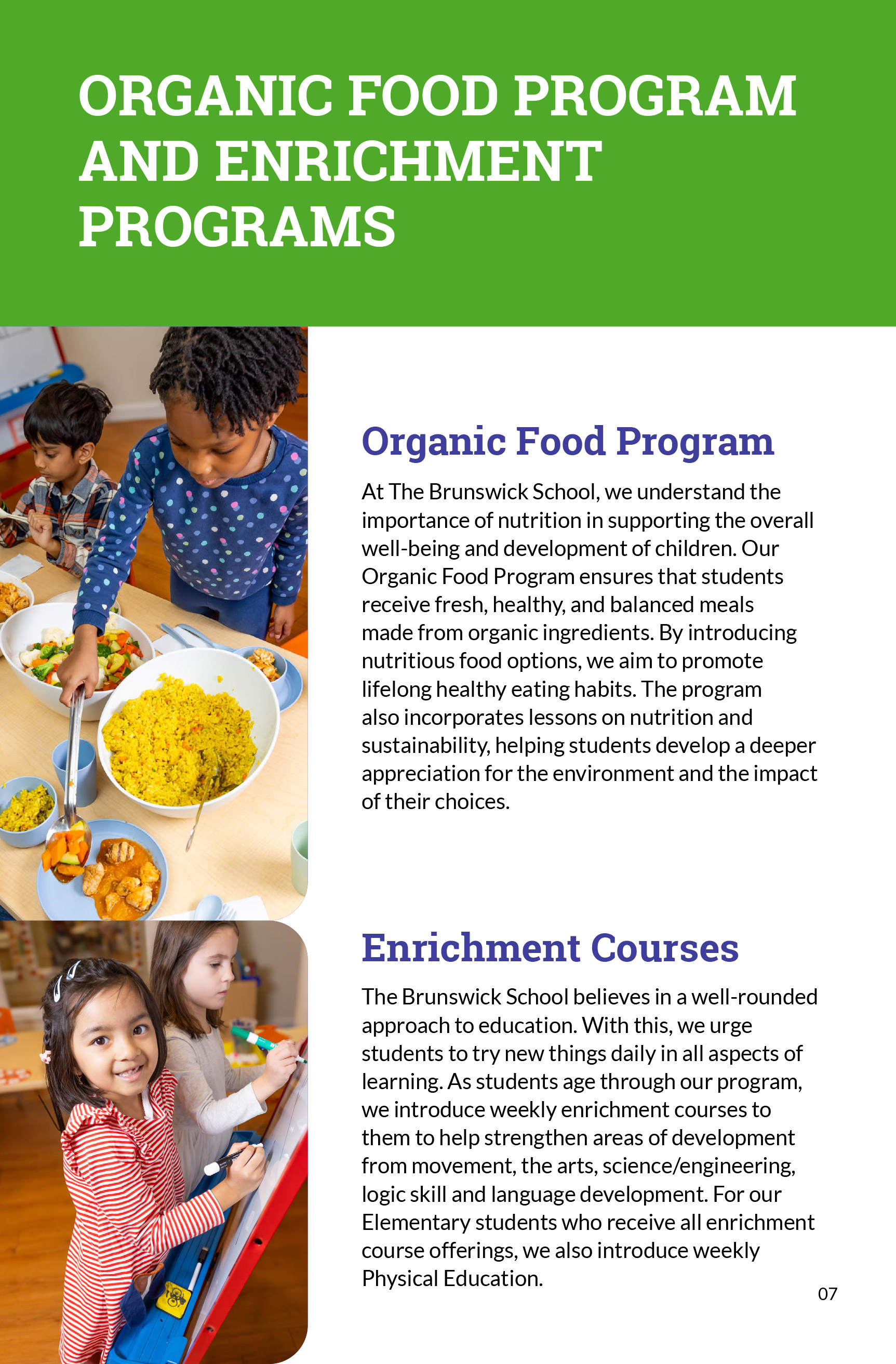
Dance, World Language, Chess, Engineering, Coding, Physical Education
*All outdoor play periods will be replaced with indoor play (classrooms or other designated area) in case of bad weather. Periods gradually move from 30 minute periods to 45 minute periods as students progress from toddlers-kindergarteners (mocking an elementary schedule).
Enrichment periods are added throughout the academic journey from Rising Preschool to Elementary. Example enrichment periods are Yoga, Theatre Arts, Dance, Chess and Language. Elementary grade levels will also take walking trips around the community to places such as the local library, bakeries, parks, etc. pending the area of study.
Elementary grades, especially at their onset, often marks a shift in how children relate to school. Families frequently notice that students begin to approach learning with greater confidence, communicate ideas more clearly and take ownership of daily responsibilities. At The Brunswick School, this stage supports steady growth without rushing development or placing pressure on performance.
Students in early elementary are given time and structure to build habits that extend beyond academics. Daily routines support focus and organization, while consistent expectations help children understand their role within a learning community. Teachers intentionally balance guidance with independence, allowing students to practice decision-making in age-appropriate ways.
Parents also value the continuity between social, emotional and academic development. Skills like collaboration, listening and respectful problem-solving are reinforced throughout the day, helping students feel comfortable participating in group settings and expressing their ideas. This approach supports smoother transitions as children progress into higher elementary grades.
By the end of second grade, students leave with more than academic readiness. They develop more self-assurance when navigating new challenges, communicating with peers and adults and engaging thoughtfully with learning environments. These experiences help create a steady foundation for continued growth throughout their educational journey.
Families are continually drawn to The Brunswick School for our balanced approach to academics, arts integration and social development. Our program emphasizes thoughtful instruction, small learning communities and meaningful teacher-student relationships. Many families also value the school’s nurturing environment, experienced educators and focus on the whole child. To gain a deeper look at daily life in the classroom, we encourage families to explore The Brunswick School experience.
Parents looking for practical details about admissions, schedules and daily routines can also visit our FAQ page. There, families will find information about our qualified teachers, engaging facilities and consistent communication that supports students academically and socially from early elementary through second grade.
The Early Elementary years lay the groundwork for future academic success and personal growth. Through intentional instruction, creative exploration and consistent structure, Brunswick students develop confidence, curiosity and a genuine love of learning.
Families interested in joining the Brunswick community are invited to take the next step by applying, scheduling a tour or arranging a virtual visit to one of our Jersey City campuses. We look forward to welcoming you and sharing how our Elementary program supports each child’s unique path forward.

Looking to set up time to visit one of our two downtown, Jersey City campuses? Click to find the perfect time for your schedule. Moving to Jersey City? Let's us take you on a virtual tour!