

Play is how young children naturally learn. It includes activities like building, pretending, exploring, and interacting with others. Through play, children ask questions, try new ideas, and make sense of the world around them. It helps them develop problem-solving skills, creativity, and social understanding in meaningful ways.
Early childhood education focuses on the whole child, not just academic skills. This is called holistic development. It means supporting a child’s growth in many areas at once, including thinking, language, physical movement, emotions, and relationships. Play is one of the most effective ways to support this kind of development. When children play, they are not only learning facts. They are building confidence, practicing communication, and developing healthy social connections.
Understanding Play: Definitions and Types in Early Childhood
A well-designed early childhood program includes a mix of all play types. This balance ensures that children grow in many areas at once, including physical, social, emotional, and cognitive development. By offering varied and meaningful play opportunities, educators create an environment where every child can learn, explore, and thrive.
- Physical Play: Physical play includes running, climbing, and active movement. This type of play helps children build strength, coordination, and overall health.
- Imaginative Play: Imaginative play, sometimes called pretend play, allows children to create stories, take on roles, and express ideas. This strengthens creativity and language skills.
- Social Play: Social play happens when children interact with others, learning how to share, cooperate, and solve problems together.
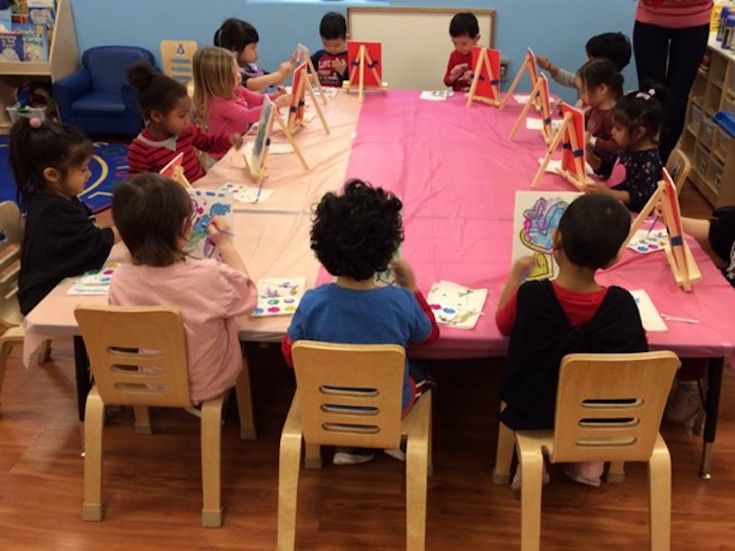
- Constructive Play: Constructive play involves building and creating with materials like blocks, puzzles, or art supplies. It supports problem-solving, early math, and design thinking.
Both free play and guided play are important in early childhood education. Free play gives children the freedom to explore their own interests and make choices. This builds independence and confidence. Guided play, led by a teacher or caregiver, introduces new ideas and gently supports learning goals while still allowing children to stay engaged and curious. Together, these approaches create a strong and balanced learning experience.
Cognitive Development Through Play
Play plays a key role in helping young children build strong thinking skills. During play, children practice problem-solving, improve memory, and develop attention. For example, when a child completes a puzzle, they learn how to recognize patterns and try different solutions. When they follow the rules of a simple game, they strengthen focus and memory. These early cognitive milestones form the foundation for later academic learning.
Many simple play-based activities support cognitive growth at different ages. For toddlers, activities like stacking blocks, sorting shapes, or playing with cause-and-effect toys help build early thinking skills. For preschoolers, more complex activities such as matching games, storytelling, and building structures encourage planning, reasoning, and creativity. Even everyday play, like exploring outdoors or asking questions during playtime, helps children learn how to think and understand the world.
Play also supports language development and early literacy. When children engage in conversations during play, they learn new words and practice expressing their ideas. Imaginative play encourages storytelling, which strengthens both speaking and listening skills. Activities like reading together, singing songs, or playing word games during playtime help children build a strong foundation for reading and writing. Through these experiences, play becomes a powerful tool for developing both thinking and communication skills.
Social and Emotional Growth
During play, children practice cooperation, sharing, and empathy. For example, when children play together, they learn to take turns, listen, and work as a team. They begin to understand how others feel and how their actions affect those around them. These early social experiences help build strong relationships and a sense of belonging.
Certain play activities are especially helpful for building emotional intelligence. Games that involve recognizing feelings, such as matching facial expressions or discussing emotions in stories, help children understand their own emotions and those of others. Role-playing activities also allow children to act out different situations, which can teach problem-solving and self-control. These types of games help children manage their feelings in healthy ways.
Many simple tools and activities help strengthen social skills. Group play, cooperative games, and guided discussions all give children opportunities to practice communication and teamwork. Activities like storytelling, circle time, and partner play encourage children to express themselves and listen to others. With the right support and environment, play becomes a powerful way to help children grow socially and emotionally.
Motor Skills Development Through Play
Physical play is essential for helping young children develop strong motor skills. These skills include both gross motor skills, such as running and jumping, and fine motor skills, such as holding a pencil or stacking small objects. Through active play, children build strength, coordination, balance, and control. These abilities support not only physical health but also everyday tasks and classroom readiness.
Many simple activities support motor skill development in preschoolers. For gross motor skills, activities like climbing, dancing, playing catch, or obstacle courses help improve balance and coordination. For fine motor skills, children benefit from activities like drawing, cutting with child-safe scissors, building with blocks, or playing with clay. Each of these exercises helps children gain better control of their movements while also building confidence.
Motor skill activities can be easily included in daily routines. Outdoor playtime, movement breaks, and hands-on learning activities all provide natural opportunities for practice. Even small moments, like helping with simple tasks or engaging in creative play, can support motor development. By making physical activity a regular part of the day, children can grow stronger, more coordinated, and more confident in their abilities.
The Impact of Outdoor Play on Learning and Development
In an outdoor setting, children have more space to move, explore, and interact with the natural world. This type of play supports physical strength, coordination, and overall health. It also encourages curiosity, creativity, and problem-solving. Time outside can help improve focus, reduce stress, and support emotional well-being. Together, these experiences contribute to holistic development across physical, cognitive, social, and emotional areas.
Many outdoor activities help children learn while they play. Simple activities like running, climbing, and playing games build motor skills and teamwork. Nature walks encourage observation and language development as children describe what they see. Sand and water play introduce early science concepts, while outdoor building activities promote creativity and planning. Even unstructured outdoor time allows children to explore their interests and learn through discovery.
Safety is an important part of outdoor play. Clear rules, age-appropriate equipment, and active supervision help create a safe environment. It is also helpful to teach children simple safety habits, such as being aware of their surroundings and using equipment properly. With thoughtful planning, outdoor play can be both safe and enriching. When children have regular access to outdoor experiences, they gain the freedom to explore, learn, and grow in meaningful ways.
The Role of Educators and Parents in Facilitating Play-Based Learning
A strong play-based curriculum includes time for both free play and guided play, along with access to open-ended materials like blocks, art supplies, and sensory tools. It is also important to observe children’s interests and build activities around what naturally engages them.
Teachers play an important role in guiding play without taking control of it. They create a safe and supportive environment, introduce new ideas, and ask simple questions that encourage deeper thinking. This approach is often called scaffolding. For example, a teacher might join a child’s building activity and ask what they plan to create next, helping extend the learning experience. By observing and gently guiding, teachers help children stay curious and engaged while meeting learning goals.
Parents also play a key role in supporting play-based learning. Simple activities at home, like reading together, imaginative play, or outdoor exploration, can reinforce what children learn in school. When parents take time to play and talk with their children, they help build strong communication and emotional connections. Consistent support from both educators and families creates a balanced learning experience where children feel confident, supported, and ready to grow.
Integrating Play into Early Childhood Curriculums
Educators can begin by designing lessons that include hands-on, interactive experiences rather than only direct instruction. For example, counting can be taught through building blocks, and early reading skills can be supported through storytelling and role play. Daily schedules should include dedicated time for both structured and unstructured play, along with smooth transitions that keep children engaged. Using open-ended materials and allowing children to explore ideas in their own way helps make learning more meaningful.
Effective play-based learning can be seen in simple, everyday classroom activities. A teacher might set up a pretend grocery store to teach math, language, and social skills at the same time. Another example is a nature exploration activity, where children collect leaves and discuss colors, shapes, and textures. Group building projects, art stations, and sensory tables also provide opportunities for children to learn through doing. These activities encourage curiosity, teamwork, and problem-solving while supporting key learning goals.
Assessing play-based learning looks different from traditional methods but is just as important. Teachers often use observation to understand how children think, interact, and grow over time. Notes, photos, and samples of children’s work can help track progress in areas like language, motor skills, and social development. Simple checklists and conversations with children also provide insight into their learning. By focusing on the process of learning rather than just outcomes, educators can better support each child’s development in a natural and supportive way.
Integrating Play for Holistic Child Development
Play supports many areas of a child’s growth at the same time. It helps build cognitive skills like thinking, memory, and problem-solving. It strengthens social skills as children learn to cooperate, share, and communicate. It also supports emotional development by helping children understand their feelings and build confidence. At the same time, physical play improves motor skills, coordination, and overall health. Together, these benefits show that play is not just one part of learning. It is a foundation for complete development.
A holistic approach to early childhood education means supporting the whole child. Play makes this possible naturally and engagingly. Instead of separating subjects or skills, play allows children to learn many things at once through meaningful experiences. This approach helps children stay curious, motivated, and connected to their learning. It also creates a balanced environment where children can grow academically, socially, and emotionally.
There are simple ways to bring more play into everyday learning. Educators can include hands-on activities, allow time for free exploration, and use open-ended materials that encourage creativity. Parents can support play at home through reading, outdoor activities, and imaginative games. By working together, schools and families can create a strong, play-based foundation that helps children learn, grow, and thrive.
Conclusion
Play is a powerful and essential part of early childhood education. It supports how children think, move, communicate, and connect with others. When play is part of daily learning, children are more engaged, confident, and ready to explore new ideas. A strong play-based approach helps build a solid foundation for lifelong learning.
At The Brunswick School, play is thoughtfully integrated into every part of the learning experience. Educators create a warm and supportive environment where children are encouraged to grow in all areas. Families are also an important part of this journey, working together with teachers to support each child’s development.
To learn more about how play shapes early learning and to connect with dedicated educators, explore The Brunswick Experience and discover what makes this community unique