

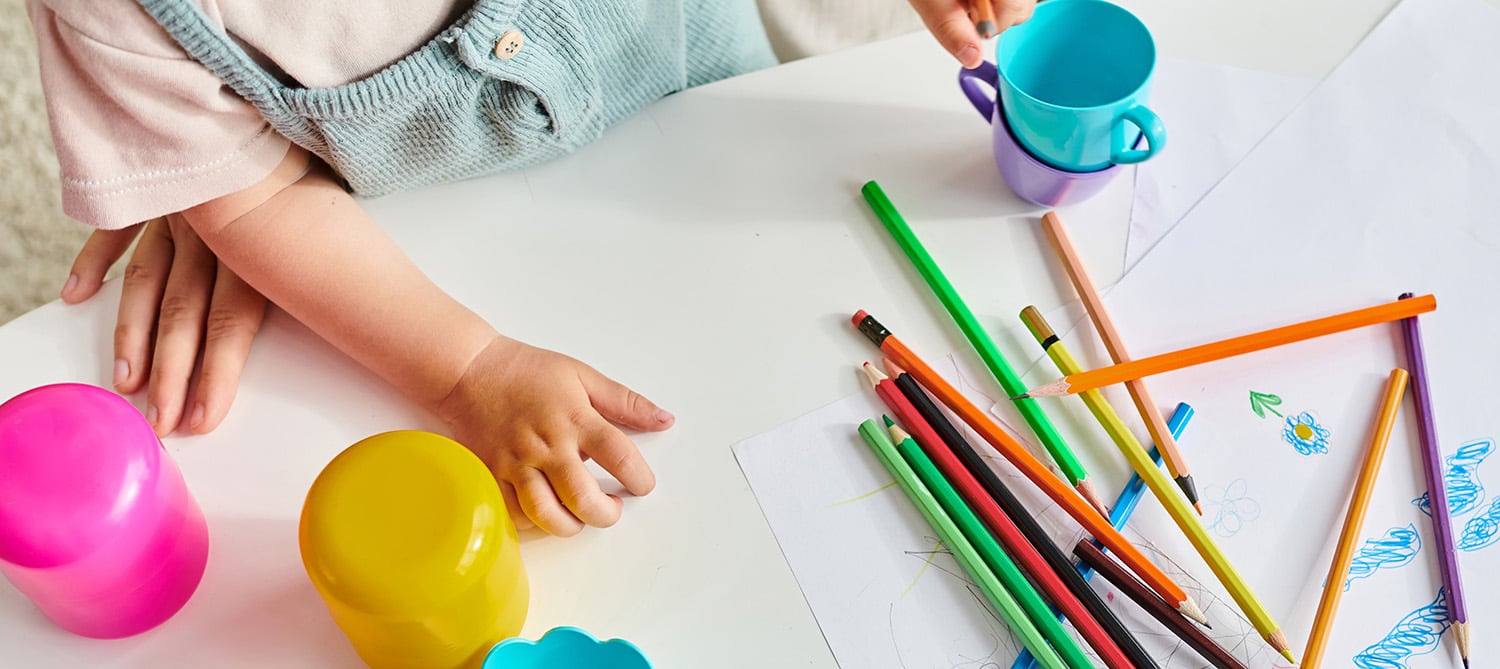
Early childhood education is all about teaching and developmental support youngsters get, from our earliest days up to just about age eight. This covers babies, toddlers, kids in preschool, and those just starting elementary school. But why does this particular stretch get so much attention in the academic world? Because the experiences children have during these years create patterns that stick with them.
Think about a toddler learning new words every day or a preschooler figuring out how puzzles work. Each of these moments is creating actual pathways in the brain. Programs that do this well give children benefits that show up years down the road. There's proven science behind the curtain.
Children grow in different ways during early childhood though these areas are intertwined more than appears at first glance. Their thinking skills develop: Babies figure out that objects still exist even when hidden, preschoolers start using symbols to represent ideas, and early elementary students begin working with concepts they can't see or touch. Language takes off from sounds and babbles to real back-and-forth conversations.
The social and emotional piece of the jigsaw has everything to do with learning how to be with other people — sharing toys, handling it when things don't go your way, and figuring out what makes someone a friend. Physically, kids are mastering everything from playground equipment to the small movements needed for writing.
Here's what makes this interesting: Progress in one area helps with the others. A child who can put feelings into words has an easier time when frustrated. Feeling capable physically often shows up as confidence when trying new things academically.
Learning to work collaboratively with classmates makes kids better at solving problems together, in childhood and in adulthood. It all weaves together like a beautiful tapestry, which is what makes early childhood education such a critical part of education.
Key Components and Principles of Early Childhood Education
Quality programs share common elements. What children learn about — literacy, math basics, science, community understanding, and creative arts — matters. But here's the thing: The teaching approach matters even more at this age.
Kids learn best by doing rather than just listening. Strong teachers set up materials and scenarios that make children curious enough to investigate. Then teachers watch what's happening, ask good questions, and build on whatever has captured the children's interest.
Assessment looks different here. Forget bubble sheets. Teachers watch children during everyday activities, take photos, and collect work samples over time. This shows how each child is progressing and helps teachers figure out what to do next.
Several principles separate great programs from mediocre ones. Teaching that puts children at the center starts with where each individual child is — their interests, what stage of development they're in, their cultural background, how they learn best. Not every four-year-old is ready for the same activities as their classmate is.
Making sure every child can participate fully matters, no matter their ability or where they come from. Understanding that play isn't wasted time is another key principle. Instead, it's actually how young children figure out their world. And matching activities to where kids actually are developmentally, rather than expecting three-year-olds to sit still for long periods or pushing all four-year-olds to read before they're ready to, makes a huge difference.
The Role of Play-Based Learning
Play-based learning gets misunderstood. Some parents worry kids just mess around instead of learning. That completely misses what's happening.
Watch preschoolers building with blocks. They're testing balance and gravity, thinking about spatial relationships, problem-solving when towers fall. Add toy cars and figures, and they're creating narratives, negotiating, practicing conversation. That's genuine learning, just not worksheet-style.
Pretend play involves sophisticated cognitive work. Kids use symbolic thinking, take different perspectives, and process experiences by replaying them. Language skills explode during dramatic play because children need words to negotiate scenarios and build imaginary worlds together.
Social-emotional benefits are huge. Play constantly requires negotiation. Whose idea wins? How do we include someone new? These are hard problems adults struggle with. Play gives thousands of low-stakes practice opportunities.
Teachers who get this create environments with materials inviting open-ended exploration. They watch what catches interest, then build on it. Maybe kids love construction trucks outside, so teachers add construction books and building materials, asking questions pushing thinking further.
Parents can embrace this at home without fancy toys. Cardboard boxes become forts or stores. Kitchen items work for pretend play. Natural materials offer endless sorting and building possibilities. The trick is letting children lead while staying engaged.
Inclusive Education in Early Childhood
Inclusion means intentionally building learning communities where all children participate and belong — kids with disabilities, those learning English, children from different backgrounds, fast learners, and those needing more support.
Real inclusion requires planning. Physical spaces must work for different bodies and sensory needs. Materials should reflect diverse families and abilities. Activities need flexibility for different engagement levels.
Why focus on inclusion during early years? Young children are building mental models of normalcy. When four-year-olds learn alongside classmates who use wheelchairs or communicate differently, that becomes normal. Research shows kids without disabilities develop greater empathy. Children with disabilities benefit from typical peer models and higher expectations.
Creating inclusive classrooms takes multiple strategies. Universal design for learning presents information through multiple channels and lets kids demonstrate understanding various ways. Some children need modified materials or specialist support. Others need extension activities. Teachers collaborate constantly with specialists and families.
The most critical piece is the classroom culture. Teachers must actively build appreciation for differences, help children support each other, and address bias when it appears. Young children notice differences and make sense of them based on what they see modeled.
Understanding Cognitive Development in Early Childhood
Cognitive development is how thinking changes and grows. During early childhood, changes are dramatic. Infants processing only immediate sensations become toddlers remembering hidden objects, then preschoolers planning ahead, then elementary kids thinking logically about concrete problems.
Quality programs accelerate development through environments rich with thinking opportunities. When teachers ask open-ended questions, they teach active thinking. Activities involving sorting and patterning build logical reasoning. Storytelling strengthens memory. Problem-solving teaches persistence.
Jean Piaget showed children don't just know less than adults; it's more complex than that. They actually think differently. His cognitive development stages helped educators understand you can't lecture five-year-olds like teenagers. Young children need hands-on exploration. This revolutionized teaching approaches.
Lev Vygotsky highlighted learning's social nature. His zone of proximal development concept — that space between what children do independently versus with help — guides effective teaching. Good educators provide scaffolding to help children reach new understandings, then gradually remove support.
Brain research confirms these early years are critical. Neural connections form and prune based on experiences. Rich environments with caring relationships literally shape brain structure. Language acquisition demonstrates this; most kids progress from first words to complex sentences between ages one and four.
Evaluating Early Childhood Education Programs
Choosing early childhood programs feels overwhelming, but it doesn't have to be. Certain quality indicators help guide smart decisions.
Investigate the curriculum first. Strong programs address multiple developmental areas, not just academics. You want literacy and math plus science, arts, social studies, and movement. Curriculum should rest on research about how young children learn.
Teacher qualifications matter significantly. Educators trained specifically in early childhood development understand milestones, spot concerns early, and adapt teaching for individual kids. Ask about education requirements and teacher-child ratios; smaller numbers mean more individualized attention.
Visit spaces when possible. Quality programs have organized environments with areas for different activities. Abundant, varied materials should be independently accessible. Spaces should feel warm, with children's work displayed at eye level.
Assessment approaches reveal program values. Quality programs use authentic assessment, observing during regular activities, documenting growth over time. Teachers share information regularly with families.
Family engagement matters. Do programs welcome involvement? Communicate clearly? Respect families' knowledge? Strong programs recognize parents as children's first teachers.
The Brunswick School experience incorporates many quality indicators. Our TBS Pathways Curriculum supports comprehensive development across physical, cognitive, social, emotional, and language domains through inquiry-based learning and creativity. We celebrate Jersey City's cultural diversity while building family partnerships. Families can explore The Brunswick School experience to see comprehensive early childhood education in practice.
When choosing an early childhood education experience for your youngster, we advise you to trust your own instincts alongside objective criteria. Does the environment feel warm? Are children engaged? Do teachers show genuine warmth? At The Brunswick School, we believe you'll find all these things and so much more. The relationship between families and programs matters tremendously during these foundational years, as strong early childhood education programs create experiences where children thrive across developmental domains while building a lasting love of learning. Contact us today to learn more about what we can offer your child.