

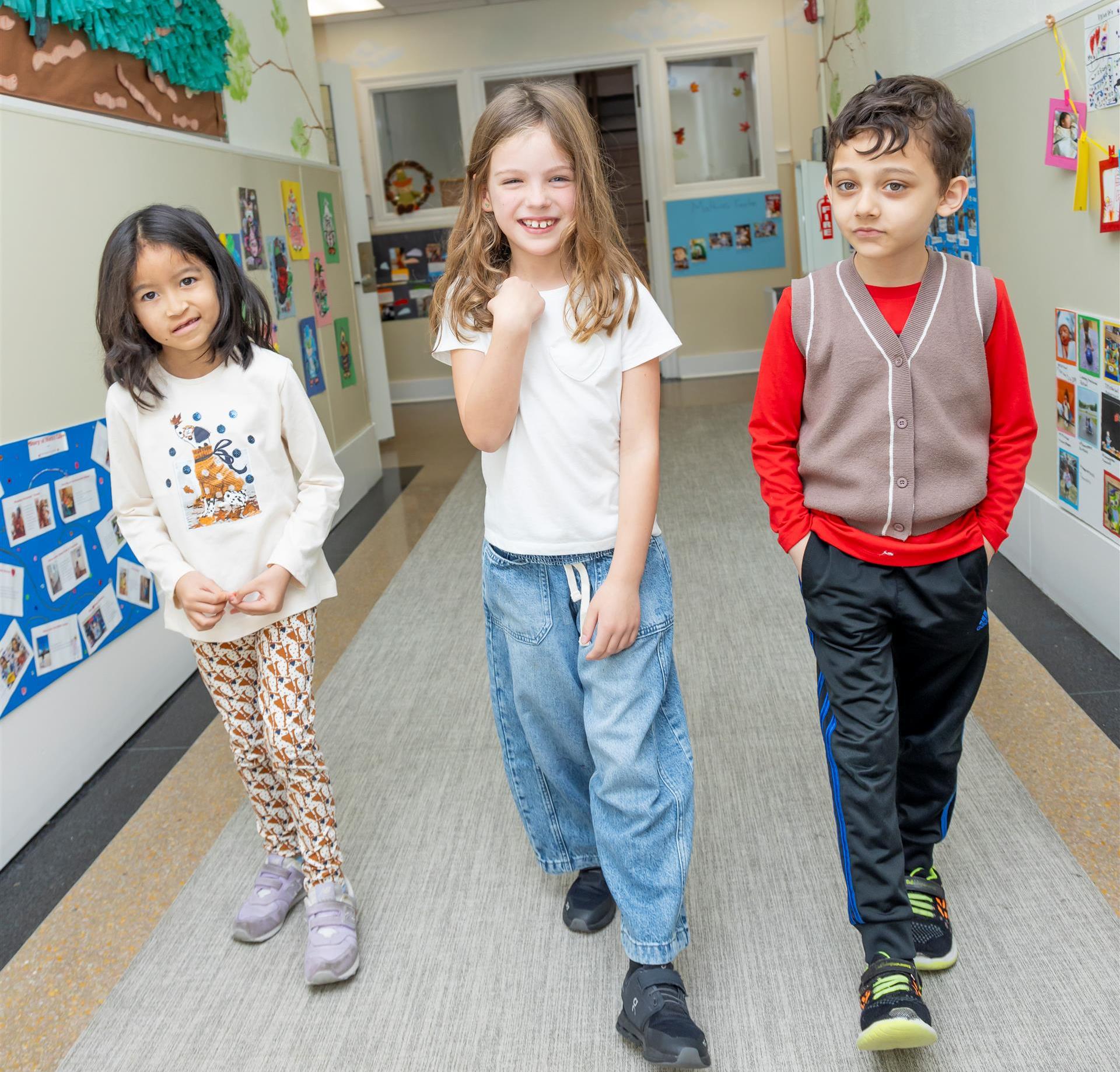
As your child approaches preschool age, you may wonder whether pre-K is really necessary or if your child can wait until kindergarten. For many families, a high-quality pre-K program provides a valuable head start. Designed for children ages 4 and 5, pre-K combines guided learning with play to help children build the academic, social, and emotional skills they'll need for kindergarten. While some children can succeed without attending pre-K, many benefit from an extra year to build academic, social, and emotional skills before kindergarten.
How Pre-K Supports Early Childhood Development
The first few years of life are an incredible time of growth. In fact, experts estimate that about 90% of a child's brain develops before age 5. During these early years, children's brains develop quickly. These changes affect how they learn, communicate, solve problems, and build relationships.
That is why early childhood education is about much more than teaching letters and numbers. A quality pre-K program supports a child's physical, cognitive, social, emotional, and language development through experiences that match the way young children naturally learn.
Children learn best through hands-on experiences like stories, art, music, building, and exploration. These activities strengthen curiosity, communication, and critical-thinking skills.
Pre-K also introduces children to the rhythm of a school day. They learn how to follow simple routines, listen to teachers, move from one activity to another, and participate as part of a group. These may seem like small steps, but they help children feel more confident and independent when it's time to start kindergarten.
Cognitive Growth and Academic Success
A quality pre-K program introduces academic concepts in ways that feel natural and enjoyable. Young children are not expected to sit through long lessons or memorize facts. Instead, they learn by exploring, asking questions, and participating in activities that match their stage of development.
Early literacy starts with reading aloud, singing songs, introducing letter sounds, and encouraging conversation. These daily activities build vocabulary, listening skills, and confidence with language.
Early math is just as hands-on. Children count objects, sort shapes, recognize patterns, compare sizes, and measure ingredients during classroom activities. Whether they're building towers with blocks or dividing crayons among classmates, they're learning math concepts through play instead of worksheets.
Research shows that children who attend high-quality pre-K programs often enter kindergarten with stronger reading and math skills than children who do not. Those early gains can continue throughout elementary school, helping children feel more confident in the classroom and supporting long-term academic success.
Social Skills and Emotional Learning
While parents often focus on reading and math, many of the most valuable lessons in pre-K happen outside traditional academics. Learning how to work with others, solve problems, and manage emotions helps children succeed in school just as much as learning letters and numbers.
Every day, children practice sharing, taking turns, following directions, listening to classmates, and working together during group activities. These experiences teach patience, cooperation, and respect while helping children build friendships. They also learn to respect other people's ideas.
With guidance from caring teachers, children learn to recognize emotions, express themselves, solve simple conflicts, and build the confidence to try new things.
When children receive consistent support both at home and at school, they often feel more secure, more willing to try new things, and better prepared for the transition to kindergarten. Parents can reinforce these skills by encouraging children to share, take turns during games, and talk about their feelings at home.
What to Look for in a Pre-K Program
Not all pre-K programs provide the same experience. While location and schedule are important, the quality of the program plays one of the biggest roles in a child's growth and long-term success.
A high-quality pre-K program creates a safe, welcoming environment where children feel comfortable exploring new ideas and asking questions. Small class sizes and low student-teacher ratios are also important. Many early childhood experts recommend classrooms with no more than 10 children for every teacher. When teachers spend more time with each child, they can recognize strengths, provide extra support when needed, and build strong relationships that help children feel secure and valued.
A well-rounded curriculum should also go beyond early reading and math. Art, music, science, movement, outdoor exploration, and imaginative play all help children develop creativity, communication, and critical-thinking skills. These enrichment activities encourage curiosity while giving children new ways to express themselves and discover what they enjoy.
Families should also look for schools that encourage open communication. Regular updates, parent conferences, and everyday conversations between teachers and families help everyone work together to support a child's development. When parents know what their child is learning, it's easier to continue those lessons at home.
Choosing the Right Pre-K Program
Choosing a pre-K program is an important decision, and visiting schools in person is one of the best ways to find the right fit. Look for a classroom that feels warm, organized, and welcoming, where children are actively engaged in hands-on learning. Watch how teachers interact with students, how children respond to their teachers, and whether the atmosphere feels calm, welcoming, and engaging.
During your visit, ask what a typical day looks like, how teachers prepare children for kindergarten, and how the school supports different learning styles. You may also want to ask about enrichment opportunities, communication with families, and whether meals, supplies, or after-school programs are included. The answers can help you understand not only what children learn each day, but also how the school partners with families to support their success.
The Brunswick School's Approach to Early Childhood Education
At The Brunswick School, early childhood education combines a strong academic foundation with a differentiated approach that helps every child learn and grow with confidence. Teachers tailor instruction to each child's learning style, providing the support and appropriate challenges each student needs to succeed.
Students also benefit from hands-on learning, enrichment classes, and individualized instruction. Organic meals, small class sizes, and a welcoming community help children feel supported while building the skills they need for kindergarten.
The Brunswick School also understands the needs of today's busy families. Extended-day options, optional after-school programs for children ages 3 and older, summer programs for elementary-age students, and rolling admissions throughout the year provide flexibility while maintaining a consistent, high-quality learning experience.
Most importantly, The Brunswick School values strong partnerships with families. Open communication and a welcoming school community help parents stay involved in their child's learning, creating a team approach that benefits every student.
How Parents Can Support Early Learning at Home
Learning continues after the school day ends. Reading together for 15 to 20 minutes each day, talking about stories, and encouraging children to talk about what they see help build vocabulary, listening skills, and a love of reading.
You can also turn everyday activities into learning experiences. Count apples while grocery shopping, sort socks by color, identify shapes during a walk, or let your child help measure ingredients while cooking. Activities like these build early math and problem-solving skills through everyday experiences.
Staying connected with your child's teachers is another valuable way to support growth. Regular communication helps parents understand what their child is learning, celebrate progress, and work together on any areas that may need extra attention. When home and school work as partners, children benefit from consistent encouragement and support. Simple routines at home, such as encouraging independence and talking positively about school, can also help children feel more confident as they prepare for kindergarten.
Long-Term Academic Success and Community Benefits
The benefits of high-quality pre-K programs often extend well beyond the kindergarten classroom. Studies have found that children who participate in quality early childhood education are more likely to enter school ready to learn, read at grade level, graduate from high school, and experience positive outcomes later in life.
Researchers have also found broader academic, social, and long-term health benefits for children and their communities. High-quality early education has been linked to lower rates of special education placement, improved employment opportunities, and stronger communities over time. In fact, some studies estimate that every dollar invested in quality early education returns several dollars through future educational and economic benefits.
Families in Jersey City can continue supporting their child's development by taking advantage of local resources. Visiting the public library, exploring nearby parks, attending community events, and spending time at children's museums all encourage curiosity and reinforce the skills children are developing in school.
Enrollment and Practical Considerations for Pre-K Programs
If you're beginning your search for a pre-K program, starting early gives you the most options. Take time to research schools, compare programs, and schedule classroom visits so you can find the environment that best fits your child's personality and your family's needs.
During your visit, ask about tuition, payment options, and any financial assistance that may be available.
The Brunswick School welcomes families to visit its campuses, meet the teachers, and experience the classrooms firsthand. With rolling admissions, a differentiated curriculum, enriching daily experiences, and a supportive school community, families can explore whether the school is the right fit for their child.
Why Pre-K Is Important for Your Child
So, why is pre-K important? It gives children the chance to build confidence, develop friendships, strengthen communication skills, and establish the academic foundation they'll use throughout their education. A high-quality pre-K experience also helps children become more independent, more curious, and better prepared for the transition to kindergarten.
If you're looking for a school that combines strong academics with a warm, nurturing environment, The Brunswick School invites you to schedule a tour and learn more about its approach to early childhood education. Visiting the classrooms, meeting the teachers, and seeing students learn can help you decide whether the school is the right fit for your family. To learn more or schedule a tour, contact The Brunswick School today.