

When to Begin Pre-K? Discussing the Right Time to Start
Pre-K is an optional early childhood education program for children ages 3 to 5 that helps prepare them for the academic, social, and emotional expectations of kindergarten through structured learning and play-based activities. Deciding when to have your child begin Pre-K can include a variety of factors, including readiness.
The starting age for Pre-K is important because it takes advantage of a critical stage in early childhood development, when approximately 90% of a child’s brain growth occurs. During these formative years, children build the foundational skills needed for future learning, including early literacy, language, problem-solving, and social-emotional development.
Typical Age Range for Pre-K Enrollment
In New Jersey, the eligible age range for Pre-K enrollment is from 3 to 4 years old, and the student must reach this minimum age on or before October 1st. Keep in mind that, depending on your state or your county, these requirements can vary. Private preschools and independent early learning centers may have their own enrollment guidelines that differ from state-funded programs.
Additionally, some schools may allow exceptions for children who miss the age cutoff by a small margin, particularly in private preschool settings. Others may evaluate a child's social, emotional, and academic readiness before making enrollment decisions. In certain cases, children with special educational needs may qualify for early intervention or specialized Pre-K programs regardless of standard age requirements.
Because of these variations, families should review the specific requirements of their local school district or chosen program well before enrollment deadlines.
Developmental Milestones and Pre-K Readiness
Every child develops at their own pace, but certain milestones can help parents determine whether their child is ready for Pre-K. Readiness is not about perfection; it’s about having a foundation that supports learning, social interaction, and independence.
Key Signs of Pre-K Readiness
Social and Emotional Skills
- Shows interest in playing with other children
- Takes turns and follows simple rules
- Can separate from parents with manageable anxiety
- Expresses basic needs and emotions
Cognitive Skills
- Follows simple directions
- Enjoys books, songs, and learning activities
- Recognizes some colors, shapes, or numbers
- Shows curiosity and asks questions
Physical Skills
- Uses crayons or markers comfortably
- Washes hands with minimal assistance
- Handles basic self-care tasks
- Runs, climbs, and participates in active play
Sample Pre-K Readiness Checklist
- Follows simple instructions
- Communicates basic needs
- Participates in group activities
- Shows curiosity and willingness to learn
- Can manage short separations from caregivers
- Demonstrates emerging independence
How Parents Can Assess Readiness
Parents can evaluate readiness by observing how their child interacts with others, follows routines, and responds to new experiences. Playgroups, story times, and community activities can provide helpful insight into how a child may adapt to a classroom setting.
If you have concerns, speak with a pediatrician or early childhood educator for guidance. Remember, Pre-K is designed to help children continue developing these important skills.
Benefits of Starting Pre-K at the Recommended Age
Starting Pre-K at the recommended age can provide important cognitive, social, and emotional benefits during a critical stage of childhood development. Research shows that children who participate in high-quality early education programs often develop stronger language, literacy, problem-solving, and school-readiness skills.
While every child develops at their own pace, enrolling too early may be challenging for children who are not yet ready for structured routines or time away from caregivers. On the other hand, delaying enrollment may limit opportunities to develop foundational academic and social-emotional skills before kindergarten. By considering both age requirements and developmental readiness, families can choose a Pre-K start date that best supports their child's growth and long-term success.
Parental Considerations for Pre-K Enrollment
Families should consider factors such as their child's developmental readiness, family schedule, childcare needs, and work commitments. Some children are eager to join a classroom environment, while others may benefit from additional time to develop independence and social skills. Evaluating both practical needs and a child's individual personality can help parents make the best decision for their family.
To help children prepare for Pre-K, parents can establish consistent daily routines, encourage independent tasks like handwashing and cleaning up toys, and talk positively about school. Reading books about starting school, visiting the classroom beforehand, and practicing short separations from caregivers can also ease anxiety and build confidence.
Once school begins, parents can support their child's success by maintaining open communication with teachers, celebrating small accomplishments, and creating opportunities for learning and social interaction at home. These simple steps can help children feel more comfortable, confident, and ready to thrive in their Pre-K experience.
Social Skills and Play-Based Learning in Pre-K
One of the biggest benefits of Pre-K is the opportunity for children to develop important social and emotional skills through daily interactions with peers and teachers. In a classroom setting, children learn how to share, take turns, cooperate, communicate their needs, and work through conflicts in positive ways. These skills help build confidence, independence, and emotional regulation, all of which are essential for success in kindergarten and beyond.
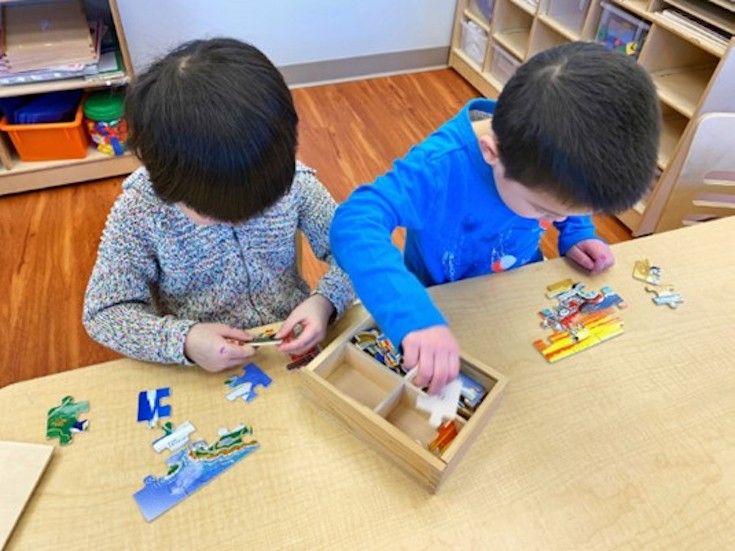
Play-based learning is a key part of early childhood education because it allows children to learn through exploration, creativity, and hands-on experiences. Through activities such as dramatic play, building with blocks, arts and crafts, group games, and story time, children practice problem-solving, communication, and teamwork while having fun. Classrooms that include learning centers, collaborative activities, and open-ended play opportunities encourage social interaction and help children develop meaningful relationships with their peers.
Choosing the Right Age to Start Pre-K
While the ideal age to begin Pre-K varies by program and individual child, most children start between ages 3 and 5, with many enrolling at age 4. The best time to start depends not only on meeting age requirements but also on a child's developmental readiness, including their social, emotional, cognitive, and physical skills. Every child develops at their own pace, so families should consider both age and readiness when making enrollment decisions.
Starting Pre-K at the right age can provide lasting benefits, including stronger school-readiness skills, increased confidence, and valuable opportunities for social and emotional growth. By using the readiness checklists and guidance outlined in this guide, parents can make informed decisions that support their child's unique needs and learning journey.
To learn more about The Brunswick School experience, explore how our programs support children during these important early years. For additional information about enrollment, age requirements, and program details, visit our FAQ page. With the right preparation and timing, Pre-K can be a positive first step toward a lifetime of learning and success.