

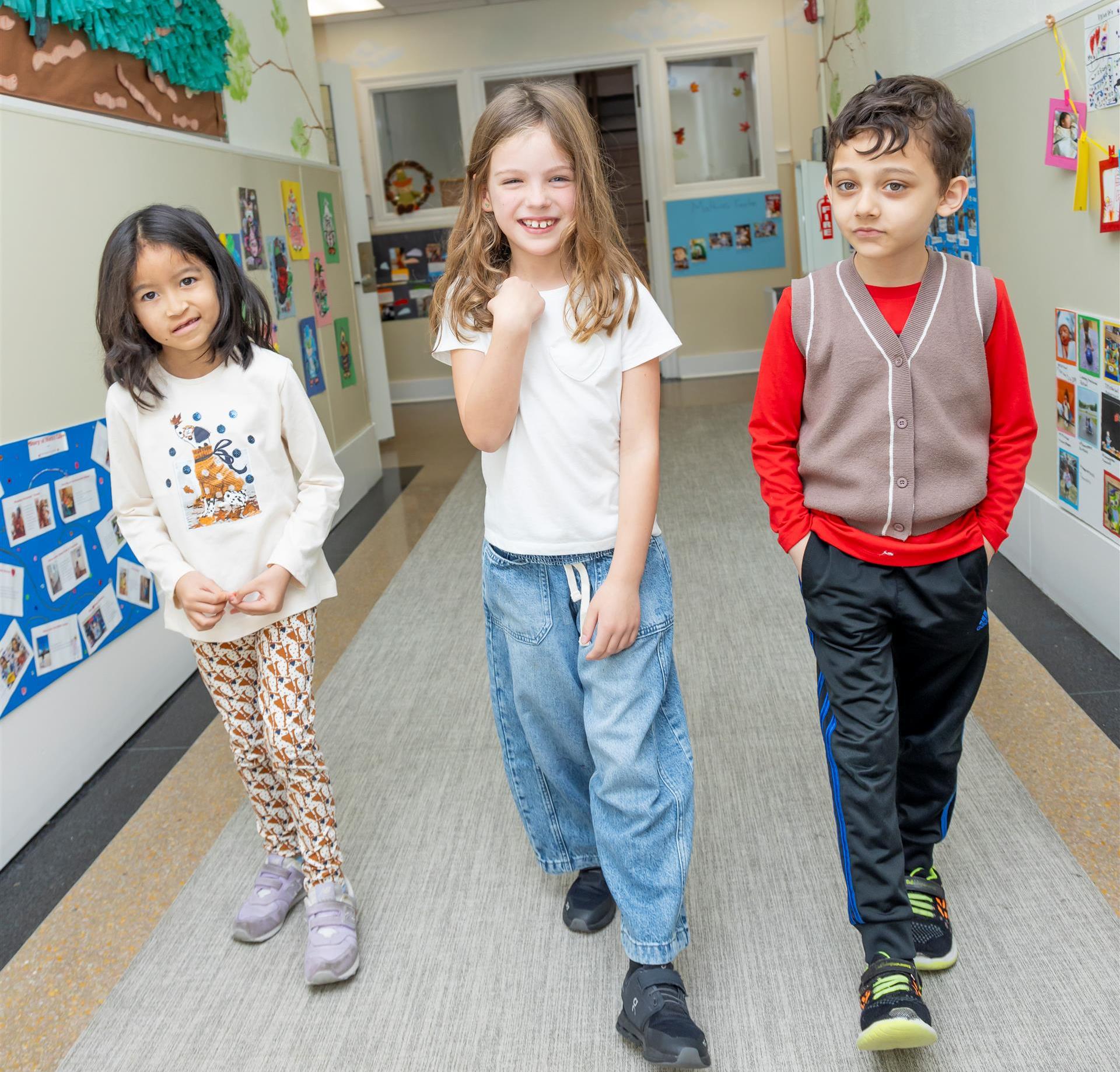
How to Prepare for Pre-K
Preparing your child for pre-K is one of the most important milestones you and your little one can go through. Early childhood is when the brain develops fastest. Experiences during this period literally shape how children learn, behave, and interact later in life. Pre-K not only teaches children to share, patience, and peer interaction, but it also improves their ability to get into a routine and follow instructions from their teachers.
Preparing for pre-k is about helping a child develop the confidence, curiosity, and social-emotional abilities needed to thrive in a structured environment. When parents and educators focus on the whole child, supporting independence, communication, and emotional growth, the transition to preschool becomes smoother and sets the stage for long-term success.
Understanding Pre-K Readiness
Preschool readiness means your child can learn, play, and feel comfortable in a classroom setting. Every child develops at their own pace, so readiness is not about being perfect. It is about having the basic skills needed to adjust to a group environment and follow simple routines.
Several signs may show your child is ready for preschool. Your child may be able to spend short periods away from you without strong distress. They may show interest in playing with other children and begin to share or take turns. They can follow simple instructions and use basic words to express their needs. You may also notice growing independence, such as eating on their own or helping with simple tasks. The milestones below can help your child participate in everyday activities:
- Understand simple words and follow basic instructions
- Recognize some colors, shapes, or numbers
- Show curiosity by asking questions or exploring
- Hold crayons or pencils and make simple marks
- Use their hands for small tasks like stacking or sorting
- Run, jump, and move with control
When children develop across these areas, they are better prepared to participate in classroom routines and activities.
Effective Strategies for Preparing Your Child Emotionally and Socially
Preparing your child for preschool means helping them build emotional strength, learn how to interact with others, and feel secure in daily routines. Parents can provide emotional support by teaching children to name and express their feelings, stay calm during challenges, and try simple tasks on their own. Social skills grow through practice, and routines help children feel safe by giving them a clear sense of what to expect each day.
- Talk about emotions and show calm behavior
- Encourage independence with small tasks
- Set up playtime to practice sharing and taking turns
- Use role-playing and books to teach social skills
- Keep daily routines consistent to build security
Supporting Cognitive and Language Development
Parents can support cognitive and language development at home by creating a rich environment filled with conversation, play, and exploration. Try talking with your child throughout the day, asking simple questions, and encouraging them to share their thoughts, which helps build strong thinking and communication skills. Activities like reading, singing, and storytelling introduce new words and ideas, which support early language growth.
Play-based learning is also important because it helps children learn naturally and enjoyably. Simple activities such as pretend play, puzzles, and naming games can support both cognitive skills and vocabulary development while keeping learning fun and engaging.
Enhancing Physical and Fine Motor Skills
Fine motor skills involve small hand movements, such as holding a crayon or using scissors, while physical skills involve larger movements like running and jumping. Children can develop improved skills through simple, hands-on activities and active play. Regular movement helps with balance and stamina, while fine motor practice supports tasks they will use in the classroom, such as writing and drawing.
- Use crayons, markers, or chalk for drawing and coloring
- Practice cutting with child-safe scissors
- Build with blocks or stack small objects
- Play with clay or dough to strengthen hand muscles
- Encourage outdoor play like running, jumping, and climbing
- Try activities like threading beads or simple puzzles to improve hand-eye coordination
Strong fine motor skills help children complete classroom tasks with more ease, while physical activity supports overall development and readiness for a structured learning environment.
Transitioning to Pre-K
Transitioning to pre-k may seem like an emotional roller coaster for not only the child, but for the parents and teachers. Taking simple steps can make the transition smoother. Preparing your child ahead of time by talking about what to expect can help reduce fear and build confidence. Visiting the school, meeting the teacher, or looking at pictures of the classroom can make the new environment feel more familiar. It is also helpful to practice short separations, so children become more comfortable being away from caregivers.
Establishing routines at home is one of the most effective ways to prepare for preschool. When children follow a regular schedule, they feel more secure and know what to expect throughout the day. Try to match home routines with a typical preschool day, such as set times for waking up, meals, play, and rest. Practicing simple routines like getting dressed, cleaning up toys, and following directions can also help children adjust more easily.
Choosing the Right Pre-K School
Choosing the right preschool is an important decision that can shape your child’s early learning experience. Exploring programs like the Brunswick School Experience can also help parents understand what a well-rounded, supportive preschool environment looks like.
It is also important to understand the school’s curriculum and teaching approach. Some preschools focus on play-based learning, where children learn through exploration and interaction, while others may include more structured academic activities. Choosing a program that matches your child’s needs can make a big difference in their comfort and success.
- What is your teaching approach or curriculum style?
- How do you support social and emotional development?
- What does a typical daily schedule look like?
- What is the student-to-teacher ratio?
- How do you communicate with parents about progress or concerns?
- What safety and health policies are in place?
Asking these questions can help parents feel confident in their choice and ensure the preschool provides a strong foundation for learning and growth.