

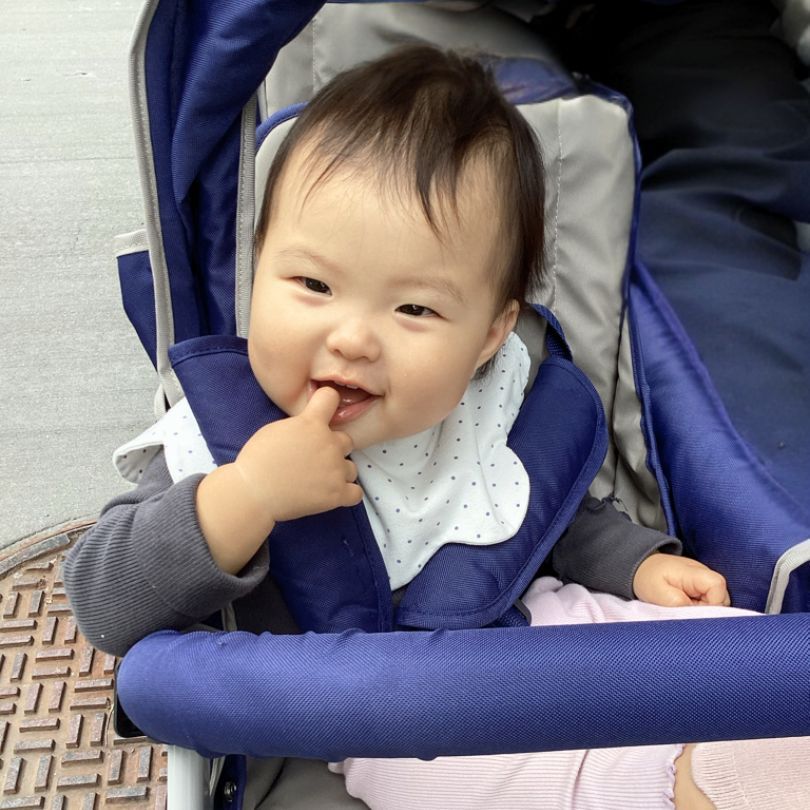
Parents may look at a newborn and wonder, “How do infants learn when so much of their world is still new?” From the earliest days, babies learn by watching familiar faces, listening to voices, moving their bodies, and using their senses. They also pay close attention to how people respond to their sounds and expressions.
During the first year, these everyday experiences build on one another. A baby who hears the same song may recognize its rhythm over time, while reaching for a toy helps connect movement with a result. When a caregiver responds to a coo or smile, the baby learns that communication goes back and forth. Repetition, curiosity, and responsive relationships are all part of the learning process.
Development does not follow one exact schedule. Some babies reach certain skills earlier than others, and that variation is normal. Infants benefit from time, encouragement, and regular chances to observe, move, and discover.
How Infants Learn Through Relationships and Everyday Experiences
Infants learn a great deal from the way adults respond to them. A smile returned, a coo answered, or a comforting touch after a cry helps babies recognize that their attempts to communicate have meaning. Those consistent responses also help create the sense of security babies need to stay curious and engaged.
Familiar routines give babies more chances to build on those early connections. They hear language, watch what others do, and try actions for themselves. A baby may copy a facial expression, repeat a sound, or practice a movement until it becomes easier. Little by little, these everyday interactions help babies practice new skills until they can use them more easily.
Language Development During the First Year
Long before babies say their first words, they are already learning from the speech they hear each day. Voices they know help them notice the rhythm and sound patterns of language, while their own cries, facial expressions, coos, and babbling give them early ways to communicate.
Early attempts at communication become more meaningful when another person responds. A caregiver who answers a sound, smiles back, or repeats a simple word helps the baby learn that communication goes both ways. Warm, expressive speech and familiar language during daily routines help babies connect words with the people, objects, and actions they see. Repetition strengthens those connections, which is why hearing the same words during familiar routines can be useful.
As those connections grow, babies may follow a caregiver's gaze, look toward a named object, or react to words and phrases they hear often. Reading aloud, singing songs, and returning to favorite books reinforce the same language in different situations. Babies who hear more than one language can build familiarity with each through regular interaction with people who speak them.
Toward the end of the first year, some babies begin using recognizable words, although the timing varies. Those first words are built on months of listening, watching, making sounds, and taking part in simple exchanges with the people who care for them.
Developmental Milestones During Infancy
Infancy brings noticeable changes in both movement and communication. Parents may see new skills emerge gradually as their baby gains more control over their body and becomes increasingly aware of familiar people and objects.
Some milestones are easy to spot. A baby may begin smiling socially, reaching for objects, rolling over, sitting, babbling, or, for many babies, crawling. Fine motor skills develop as babies grasp toys, transfer objects from one hand to the other, and become more deliberate about how they handle things. These changes often happen gradually rather than all at once.
Developmental milestones are helpful guides, but they are not deadlines. Babies can reach the same milestone at different ages and still be within a typical range of development. One child may focus on movement early, while another spends more time observing, making sounds, or interacting with caregivers.
There is also no single age when babies suddenly learn the most. Learning happens throughout infancy as new skills build on earlier experiences. Looking at progress gives parents a more useful picture than comparing one baby closely with another. Infant development is also part of the broader field of early childhood education, which looks at how children grow and learn across the early years.
How Babies Learn Through Play
Play gives babies a natural way to learn how the world works. A rattle that makes a sound when shaken or a toy that falls when dropped helps them notice a simple connection between an action and a result. Repeating these small discoveries builds curiosity and early problem-solving skills. Each repetition gives babies another chance to notice the result, adjust what they do, and practice a movement or response.
As babies move and handle objects, they learn more about their own bodies and the things they can reach. Tummy time, soft toys, and other safe materials give them chances to practice movement and coordination while noticing differences in sound, texture, and shape.
Play also gives babies a way to connect with other people. Peek-a-boo is a simple example: the game holds a baby's attention while pairing surprise with eye contact, smiles, and laughter. Books, songs, and movement can create the same kind of shared experience without turning play into a lesson.
Parents do not need elaborate toys or a packed schedule. A few age-appropriate materials, time to repeat favorite activities, and room for curiosity are often enough.
Supporting Healthy Infant Development
Babies are better able to learn when they are rested, well-fed, comfortable, and given regular chances to move. Consistent routines can also help them feel secure by making everyday activities such as meals, naps, and bedtime more predictable.
Movement plays an important role during the first year. Tummy time, reaching for toys, rolling, sitting, and later crawling help babies build strength while giving them new ways to engage with their surroundings.
Regular pediatric visits give parents a chance to ask questions about growth, feeding, sleep, and development. If a baby loses a skill they had already learned, or if a parent has concerns about movement, communication, hearing, vision, or social interaction, the pediatrician is the right person to ask. Those conversations can help families understand whether their baby's development looks typical for their age or whether anything needs more attention.
How Parents Can Support Infant Learning at Home
Daily routines give parents plenty of chances to support learning. Talking during a diaper change, pointing out something on a walk, or responding to a coo helps infants connect language with the people, objects, and actions they experience every day.
Reading together, singing songs, and returning to favorite games build on those interactions. Parents can also give their child room to reach, roll, grasp, and investigate rather than directing every moment of play. Following an infant's interests helps keep learning natural and enjoyable.
During the first year, infants may also start recognizing familiar words such as “no,” although consistently following a limit comes later. Calm repetition helps them gradually understand what those words mean.
Understanding Your Baby's Individual Learning Journey
Parents naturally notice when their baby develops a new skill and may wonder what it says about the future. Those moments are exciting, but infant development does not follow one set pattern. One child may seem especially interested in people and sounds, while another may be more focused on movement or problem-solving.
Reaching milestones early does not necessarily predict how a child will learn or develop later. Curiosity, alertness, and persistence can all be encouraging to see, but babies show their strengths in different ways. Watching how a child continues to grow is more useful than comparing one baby with another.
Parents can give babies time to practice and discover without worrying about how quickly another child reached the same skill. Encouragement, familiar routines, and room to try new things allow each child to keep learning in their own way.
The Brunswick School: How Infants and Young Children Learn on Campus
At The Brunswick School, infant learning takes place in a safe, nurturing setting where children are encouraged to grow at their own pace. TBS welcomes infants beginning at 4 months and creates daily experiences that support curiosity, comfort, and healthy development.
TBS uses a differentiated-by-student approach to respond to each child's interests, needs, and stage of development. Hands-on experiences support movement, sensory discovery, communication, and early problem-solving, while familiar routines and responsive caregivers help infants feel secure as they take in new experiences.
Weekly enrichment classes are part of the school day, organic meals are included in tuition, and TBS prepares pureed and semi-solid foods on-site for infants. Just as important, parents have regular access to teachers and clear communication when they have questions or want to talk about their child's development.
With two campuses in downtown Jersey City, The Brunswick School provides year-round education from infancy through Grade 2. Families interested in the infant program can schedule a visit to see the classrooms, learn more about daily routines, and experience the warm, supportive environment TBS provides.