

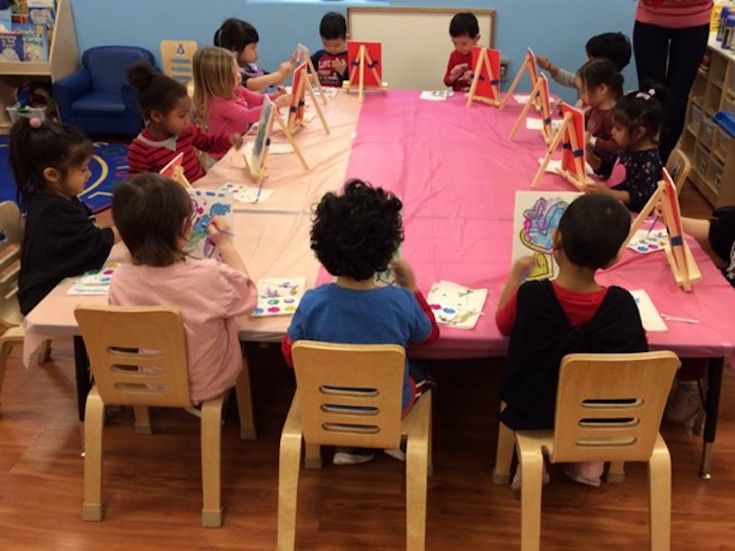
Process art is an open-ended art activity that allows children to create freely using a variety of materials and techniques. The goal is not to create a perfect piece of art. The goal is to learn, explore, and express ideas through the artistic process.
As children experiment with different materials, they develop problem-solving skills, confidence, and independence. They learn that there can be many ways to create something meaningful and that creativity does not have a single right answer. These experiences encourage creative expression while helping children build important cognitive, social, and fine motor skills.
Process art celebrates individuality and exploration. Children are free to take risks, try new ideas, and learn from their experiences. By shifting the focus from the finished product to the creative journey, process art helps children develop a lifelong appreciation for creativity and self-expression.
Core Principles and Characteristics of Process Art
Process art is defined by its focus on the creative experience rather than the finished product. Instead of following instructions to create a specific outcome, children are encouraged to explore materials, make independent choices, and discover their own ways of creating. This approach supports creative learning by giving children the freedom to experiment and express their ideas.
Some of the key characteristics of process art include:
- A focus on the artistic process rather than a predetermined result
- Open-ended outcomes, allowing every child to create something unique
- Exploration and experimentation with colors, textures, shapes, and materials
- Creative decision-making as children chooses how to use materials and tools
- Freedom of expression without the pressure of being "right" or "wrong"
Materials and techniques play an important role in process art. Children may work with paint, clay, paper, natural objects, recycled materials, or other non-traditional art supplies. They are encouraged to explore how materials feel, move, and interact rather than follow a set of instructions. This spontaneity helps spark imagination and supports creative expression.
Process Art in Art Education and Child Development
Process art is widely used in early childhood education because it encourages children to learn through exploration, creativity, and hands-on experiences. Rather than focusing on a specific final product, educators use process art activities to help children experiment with materials, express ideas, and develop confidence in their own creative abilities.
As a result, process art is often integrated into classroom curricula as part of a broader approach to experiential learning. Process art supports several areas of child development at the same time. Through open-ended art experiences, children can develop:
- Cognitive skills such as problem-solving, critical thinking, and decision-making
- Fine motor skills through cutting, painting, drawing, and manipulating materials
- Emotional development by expressing feelings and ideas in creative ways
- Social skills through collaboration, communication, and sharing materials with peers
Process art also plays an important role in fostering imagination and creativity. Children are encouraged to explore different materials, test ideas, and discover new solutions without worrying about making mistakes. This freedom helps build confidence, supports independent thinking, and teaches children that learning often happens through experimentation and discovery.
Benefits of Process Art for Cognitive and Emotional Growth
By encouraging children to explore, experiment, and make independent choices, it helps strengthen both cognitive and emotional development in meaningful ways. Process art supports cognitive growth by helping children develop:
- Critical thinking skills through exploration and problem-solving
- Decision-making abilities as they choose materials, colors, and techniques
- Creativity and imagination through open-ended activities
- Flexibility in thinking by testing ideas and adapting when plans change
- Fine motor skills through painting, drawing, cutting, and manipulating materials
Process art supports emotional development by encouraging:
- Self-expression through creative exploration
- Emotional regulation in a calm, engaging environment
- Confidence as children create without fear of making mistakes
- Resilience when trying new ideas and overcoming challenges
- Independence through self-directed learning experiences
Because there is no "right" or "wrong" outcome, process art allows children to focus on the experience rather than perfection. This freedom can help reduce frustration and build a positive relationship with learning and creativity.
Process art also promotes self-discovery. As children experiment with different materials and techniques, they learn more about their interests, preferences, and abilities. These experiences help children develop a stronger sense of identity while building confidence in their own ideas and creative choices.
Practical Applications: Process Art Activities Across Age Groups
One of the greatest strengths of process art is its flexibility. Process art can be adapted for children, teens, and adults by adjusting the materials, techniques, and level of complexity. The goal remains the same at every age: encouraging exploration, creativity, and self-expression without focusing on a specific result.
For young children, process art activities may include:
- Finger painting with different colors and textures
- Exploring clay or play dough
- Creating collages with paper, fabric, and natural materials
- Painting with sponges, leaves, or household objects
- Sensory art activities using sand, water, or textured materials
These activities help build fine motor skills, creativity, and confidence while supporting early cognitive development. For older children and teens, process art activities can include:
- Collaborative murals and group art projects
- Abstract painting and mixed-media creations
- Printmaking with everyday objects
- Art journaling and visual storytelling
- Experimenting with recycled or non-traditional materials
These projects encourage problem-solving, creative thinking, and personal expression while allowing students to explore their individual artistic styles. For adults, process art can support creativity and mindfulness through:
- Abstract painting and intuitive art
- Mixed-media projects
- Collaborative community art experiences
- Nature-inspired art and found-object creations
- Creative journaling and expressive drawing
Process art can be used in classrooms, therapy settings, and at home. Educators and caregivers can support the artistic process by providing open-ended materials, asking thoughtful questions, and allowing participants to make their own creative choices. Rather than directing the outcome, the focus should remain on exploration, experimentation, and discovery.
The Lasting Impact of Process Art on Creative Growth
By focusing on exploration, experimentation, and self-expression, it encourages creativity, problem-solving, confidence, and independent thinking. Rather than concentrating on a finished product, process art allows children to learn through experience, helping them discover new ideas, take creative risks, and develop a positive relationship with learning.
The lasting value of process art comes from its emphasis on the creative journey. Whether it is used in classrooms, at home, or in therapeutic settings, process art supports cognitive, social, and emotional development while nurturing curiosity and imagination. These experiences help children build the skills they need to approach challenges with confidence and think creatively throughout their lives.
As interest in experiential learning and child-centered education continues to grow, process art remains an important tool for fostering creativity and personal growth. By giving children, the freedom to explore and create without fear of mistakes, parents and educators can help cultivate a lifelong love of learning and self-expression.
To learn more about how creativity, exploration, and hands-on learning are incorporated into The Brunswick School experience, we invite you to connect with our team. If you have questions about our programs, curriculum, or admissions process, visit our FAQ page or reach out to schedule a tour. We would love to show you how meaningful learning experiences can help children grow with confidence, curiosity, and creativity.