

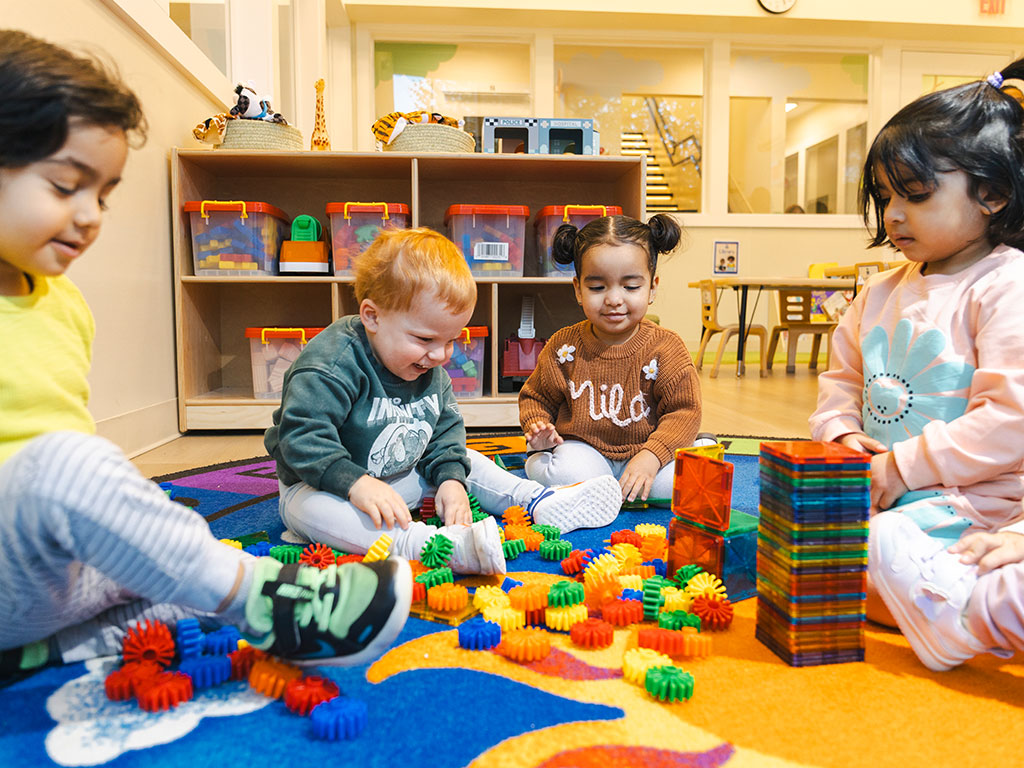
Summer often brings later bedtimes, family vacations, relaxed routines, and plenty of outdoor adventures. While these months are filled with wonderful memories, returning to preschool or daycare can be a significant adjustment for young children.
The transition back to school is about much more than returning to a classroom—it's about helping children shift back into predictable routines, reconnect with teachers and friends, and regain the confidence that comes with familiar structure.
The encouraging news? Children are remarkably resilient. With thoughtful preparation and consistent support, most preschoolers settle back into their school routines quickly and happily.
Here are ten simple ways you can make the transition smoother for your family.
Start Preparing Before the First Day
The best transitions begin before school starts.
Rather than waiting until the night before, begin easing back into school routines one to two weeks in advance.
This includes:
- Moving bedtime earlier
- Waking up closer to school hours
- Eating meals at regular times
- Limiting late-night activities
- Practicing getting dressed and ready in the morning
According to the American Academy of Pediatrics, predictable routines help children feel secure and reduce stress during periods of change.
Talk About School with Enthusiasm
Children naturally mirror the emotions of trusted adults.
If parents speak positively about returning to school, children are more likely to approach it with excitement instead of uncertainty.
Try conversations like:
- "I wonder what you'll build this year."
- "Your teachers are excited to see how much you've grown."
- "I can't wait to hear about the new friends you'll make."
Avoid unintentionally introducing worry by asking questions such as:
"Are you nervous?"
Instead, normalize all emotions while focusing on the exciting opportunities ahead.
Revisit Favorite School Memories
Sometimes children simply need a reminder of how much they enjoyed school.
Spend time looking through:
- Classroom photos
- Artwork from last year
- School event pictures
- Videos from performances
- Field trip memories
Ask questions like:
- "Do you remember building that giant block tower?"
- "Who was your favorite playground buddy?"
- "What was your favorite classroom center?"
These conversations help reconnect children with positive emotions associated with school.
Visit the School if Possible
Many schools offer orientation days, classroom visits, or open houses before the school year begins.
Even a brief visit allows children to:
- See familiar faces
- Walk into the classroom
- Find their cubby
- Visit the playground
- Become comfortable with the environment again
For children entering a new classroom, simply seeing where they'll spend their day can significantly reduce uncertainty.
Get Back Into Predictable Routines
Young children thrive on consistency.
After a summer filled with changing schedules, returning to familiar routines provides a sense of safety.
Create consistency around:
- Wake-up time
- Breakfast
- Getting dressed
- Packing backpacks
- Dinner
- Bath time
- Bedtime
The more predictable each day becomes, the more confident children tend to feel.
Research from the National Association for the Education of Young Children (NAEYC) emphasizes that routines help children develop independence while reducing anxiety during transitions.
Encourage Independence
Before school begins, give your child opportunities to practice everyday skills they'll use in the classroom.
For example:
- Putting on shoes
- Zipping jackets
- Washing hands independently
- Hanging up backpacks
- Cleaning up toys
- Carrying their own water bottle
These small accomplishments help children develop confidence before returning to school.
Remember, preschool isn't about perfection—it's about growth.
Keep Goodbyes Short and Confident
Even children who attended school happily last spring may experience some separation anxiety after a long summer together.
If tears happen at drop-off:
- Stay calm.
- Offer a hug.
- Say goodbye confidently.
- Let your child know exactly when you'll return.
Avoid extending the goodbye or returning multiple times.
Teachers understand that these moments can be emotional and are experienced in helping children transition into the classroom.
In many cases, children settle within just a few minutes after parents leave.
Expect a Few Adjustment Days
It's completely normal for children to need time to readjust.
During the first couple of weeks, you may notice:
- Increased clinginess
- Earlier bedtimes
- Emotional ups and downs
- Bigger feelings at home
- More tiredness than usual
Returning to school requires significant emotional, social, and cognitive energy.
Be patient while your child settles back into the rhythm of the school year.
Stay Connected with Your Child's Teachers
Parents and teachers make the best team.
If your child seems anxious or you're unsure how they're adjusting, don't hesitate to communicate with their teacher.
Teachers can often share reassuring observations such as:
- Your child joined group activities quickly.
- They laughed during outdoor play.
- They made a new friend.
- They enjoyed art or sensory exploration.
Knowing what happened during the day helps parents continue encouraging conversations at home.
Celebrate Progress, Not Perfection
Every child adjusts differently.
Some skip into school on day one.
Others need several weeks to feel completely comfortable.
Rather than focusing on whether your child cried during drop-off, celebrate meaningful progress:
- They walked into the classroom independently.
- They greeted a teacher.
- They tried a new activity.
- They talked about something they enjoyed.
- They smiled at pick-up.
Confidence grows one successful experience at a time.
Common Behaviors You May Notice After Returning to School
Parents are often surprised that children who appear happy at school may still need extra reassurance at home.
Some common adjustment behaviors include:
- Wanting extra cuddles
- Asking more questions
- Becoming emotional over small frustrations
- Needing additional quiet time
- Falling asleep earlier
These behaviors are typically temporary and reflect the mental energy children are using to adapt to a busy school environment.
Maintaining predictable routines at home can help children recharge.
How The Brunswick School Supports Smooth Transitions
At The Brunswick School, we recognize that returning to school after summer is a transition for the entire family.
Our experienced educators intentionally create welcoming classrooms where children quickly reestablish routines, reconnect with friends, and build trusting relationships with their teachers.
Daily schedules are thoughtfully designed to balance structured learning with opportunities for play, movement, creativity, and social connection—helping children feel comfortable, confident, and ready to learn.
Strong communication between home and school is also a priority. We believe that when families and educators work together, children experience a smoother, more successful transition back to school.
Frequently Asked Questions
Is it normal for my child to cry after happily attending school last year?
Yes. Even children who previously loved school may need time to readjust after spending an entire summer at home.
How long does the transition usually take?
Every child is different, but many preschoolers settle into their routines within one to three weeks.
Should I keep my child home if they're having a difficult morning?
Unless your child is sick, maintaining a consistent attendance routine typically helps children adjust more quickly.
What if my child says they don't want to go to school?
Listen to their feelings without immediately trying to solve them. Ask gentle questions, reassure them that their feelings are normal, and maintain consistent routines while partnering with their teacher if concerns continue.
Ready for a Great School Year?
The beginning of a new school year is filled with opportunities for growth, discovery, and new friendships. At The Brunswick School, our nurturing educators, developmentally appropriate curriculum, and welcoming community help children transition into the school year with confidence.
If you're looking for a preschool where children are encouraged to learn, explore, and thrive, we'd love to meet your family. Schedule a tour today and discover what makes The Brunswick School a trusted partner in early childhood education.