

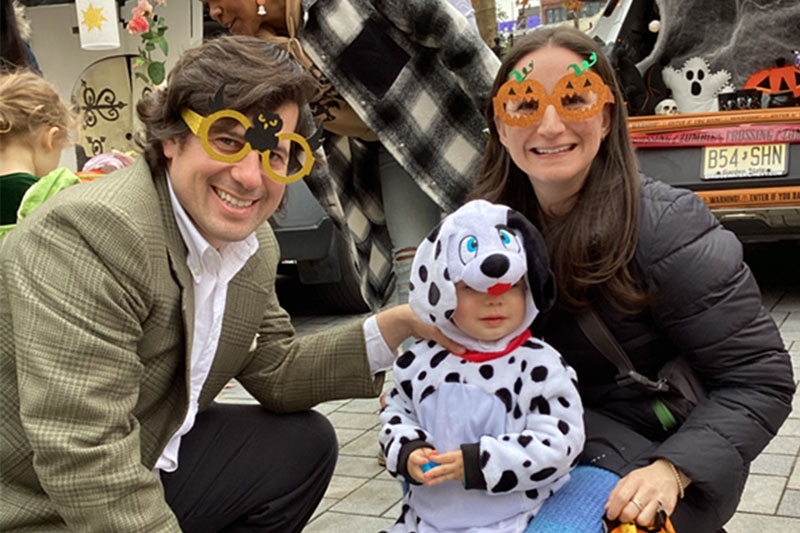
Halloween is one of the most exciting times of the year for children. Between costumes, classroom celebrations, neighborhood events, and trick-or-treating, there are plenty of opportunities to make special memories.
For families navigating food allergies - or simply looking to balance the abundance of Halloween candy - choosing what to hand out can require a little more thought. The good news? Halloween treats do not have to be traditional candy to be exciting.
A thoughtful mix of food and non-food options can make Halloween more inclusive, while still keeping the celebration fun.
1. Why Consider Allergy-Friendly Halloween Treats?
Food allergies are an important consideration whenever food is shared among groups of children. Ingredient lists can vary between brands and products, and even familiar treats may contain or come into contact with common allergens.
When selecting food, always review the individual product label rather than assuming an item is allergy-friendly. Families of children with food allergies should make the final decision about whether a particular food is safe for their child.
2. Healthier Food-Based Halloween Giveaways
Halloween can absolutely include sweet treats. Families can simply mix traditional favorites with options that offer a little more variety.
- Unsweetened applesauce or fruit pouches
- Raisin or dried-fruit boxes
- Fruit snacks with clearly labeled ingredients
- Pretzels or crackers
- Popcorn for age-appropriate children
- Apples or clementines when fresh food is appropriate
- Lower-sugar snack bars with clearly labeled ingredients
- Individually packaged freeze-dried fruit
Important: "Healthy" and "allergy-friendly" are not interchangeable. A nutritious snack may still contain a common allergen, so packaging should always be checked carefully.
3. Non-Food Treats: An Easy Inclusive Option
Some of the best Halloween giveaways are not edible at all. Non-food treats remove much of the guesswork around dietary restrictions and give children something they can enjoy after Halloween is over.
- Halloween stickers or temporary tattoos
- Pencils, fun erasers, crayons, or mini notepads
- Mini coloring or activity books
- Glow sticks or glow bracelets
- Bubbles
- Stamps
- Bookmarks
- Age-appropriate Halloween favors
For infants, toddlers, and preschoolers, choose larger, developmentally appropriate items and avoid small trinkets that may present a choking hazard.
4. Create a "Pick Your Treat" Station
Instead of putting everything into one bowl, consider offering two clearly separated choices: Food Treats with original ingredient labels intact and Non-Food Treats such as stickers, pencils, bubbles, or activity items.
Allowing children or their caregivers to select an appropriate option makes the experience more inclusive without singling anyone out. It also gives children an opportunity to practice something we value in early childhood: making choices independently.
5. Keep Original Packaging Whenever Possible
Original packaging allows parents and caregivers to review ingredient lists, allergen statements, manufacturing information, and expiration dates. Avoid repackaging homemade or bulk foods into unlabeled Halloween bags when serving a larger community.
6. Think Beyond the Treat
For young children, Halloween is about much more than what ends up inside the trick-or-treat bag. Pumpkin decorating, costumes, music, dancing, crafts, games, sensory activities, parades, and neighborhood celebrations can all create meaningful memories.
At home, children can even sort or count their Halloween treats, choose a few favorites, or use their collection for simple math and classification activities.
7. A Few Things to Avoid for Young Children
- Hard candies, gum, whole nuts, or very chewy and sticky candies
- Small toys or favors that may present a choking hazard
- Foods without ingredient labels
- Homemade foods when ingredients cannot be easily verified
Parents and caregivers should always determine which foods and toys are appropriate based on their individual child's age, development, and dietary needs.
Frequently Asked Questions
Does allergy-friendly mean a product is safe for every child?
No. Children can be allergic to many different foods and ingredients. Always check current packaging and allow the child's parent or caregiver to determine whether a food is safe.
What is the easiest allergy-conscious Halloween giveaway?
Non-food treats are one of the simplest inclusive options. Stickers, pencils, crayons, bubbles, and age-appropriate activity items are easy choices.
Can we still give out traditional Halloween candy?
Absolutely. Consider offering several choices, including non-food options, so families can select what works for their children.
How can I make Halloween special without focusing on candy?
Costumes, pumpkin decorating, crafts, music, movement games, parades, scavenger hunts, and community events can all keep the focus on the experience.
Final Thought
Halloween should be fun for every child. A little planning can make a big difference. By offering a combination of traditional treats, thoughtfully selected snacks, and non-food alternatives, families can create celebrations that are festive, inclusive, and welcoming to children with different dietary needs.
At The Brunswick School, we believe celebrations are at their best when they bring children and families together. Whether your little one is most excited about the costume, the candy, the pumpkin decorating, or simply being with friends, we hope your family has a happy, healthy, and safe Halloween!