

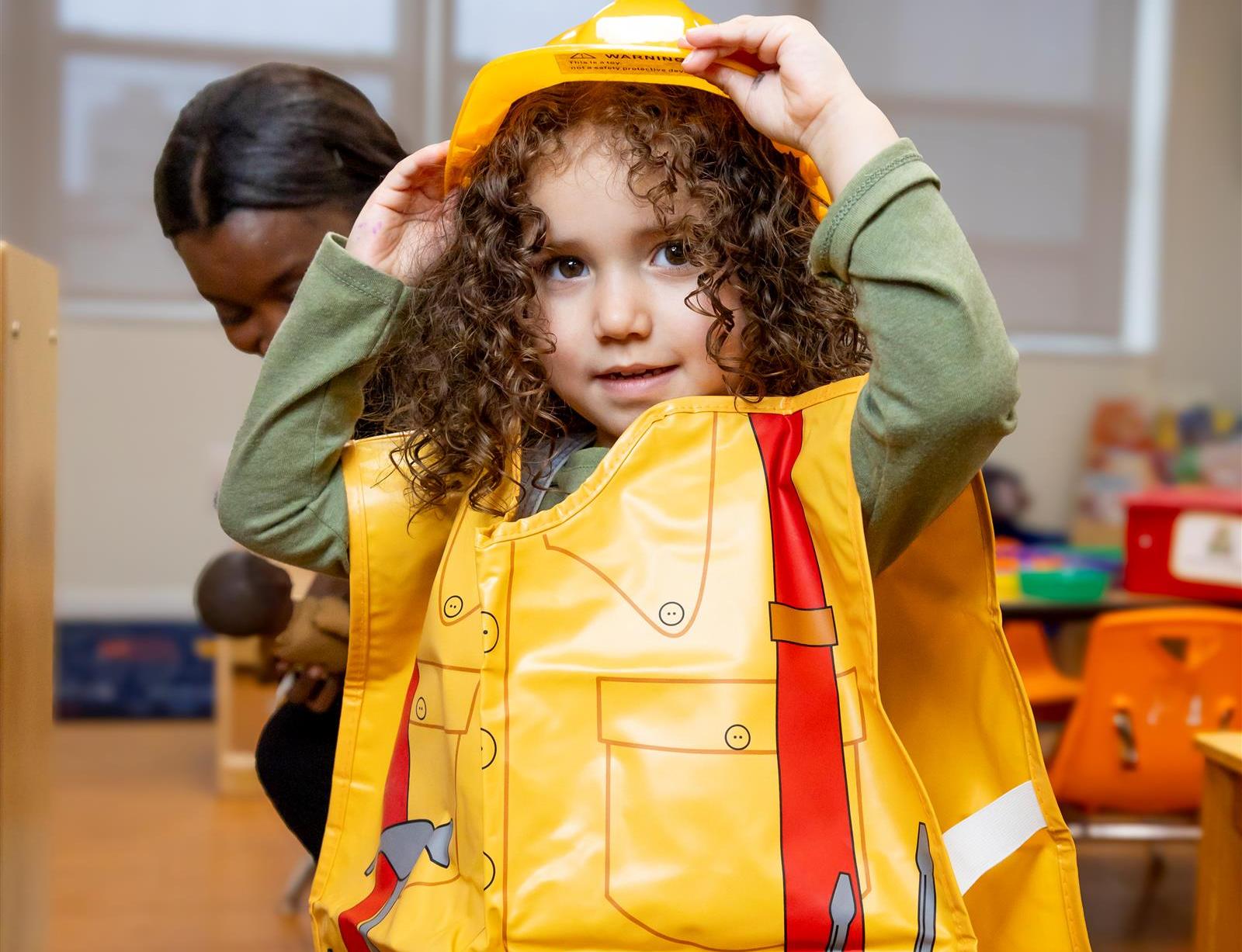
Choosing the Right Preschool for Your Child
Your child's developmental and educational journey can start as early as birth. However, for many, it starts with preschool. Before deciding on a school, consider not only costs, but also the curriculum, environment, and staff qualifications.
By fostering curiosity, building confidence, and encouraging a love of discovery, The Brunswick School creates a supportive and engaging atmosphere where children can thrive. Begin your selection process by reading our helpful guide on choosing the right preschool for your child.
Understanding Preschool Readiness
Is your child ready for preschool? This question may have crossed your mind hundreds of times. A simple checklist can help you look for key signs and prepare with confidence.
Signs your child may be ready:
- Basic communication: Your child can express needs using words or short sentences.
- Listening skills: Your child can follow simple instructions.
- Independence: Your child can manage small tasks like washing hands or putting on shoes.
- Separation comfort: Your child can stay calm when away from a parent for short periods.
- Curiosity: Your child shows interest in new activities, toys, or people.
How a readiness checklist helps:
- Clear structure: It breaks readiness into simple, easy-to-check skills.
- Early awareness: It helps you notice areas where your child may need support.
- Better preparation: It guides you on what to practice at home before school starts.
- Confidence for parents: It reduces guesswork and builds reassurance in your decision.
Why social and emotional skills matter:
- Sharing and taking turns: These skills help children work and play with others.
- Managing emotions: Children learn to handle frustration, excitement, and change.
- Building relationships: Positive interactions help children feel safe and included.
- Classroom success: Strong social skills support learning and participation.
A balanced mix of developmental, social, and emotional skills helps children adjust smoothly and succeed in preschool.
Comparing Preschool Curriculums and Educational Philosophies
Not all preschools teach in the same way, and understanding these differences can help you choose the best fit for your child.
- Montessori: This teaching style focus on independence and hands-on learning, allowing children to choose activities and move at their own pace.
- Reggio Emilia: This program encourages creativity and exploration, often guided by children’s interests and group projects.
- Traditional preschools: Follow a more structured schedule, with teacher-led lessons and clear routines. Many programs also use play-based learning, where children learn through games and activities. This approach builds creativity, supports problem-solving, and keeps children actively engaged.
Some children do better with structure, while others thrive in more flexible, creative settings. A good match helps children feel comfortable, confident, and ready to learn. It also supports long-term growth by shaping how children think about school and learning from an early age.
Preschool Teacher Qualifications
There is a strong connection between teacher qualifications, safety practices, and overall program quality. Well-trained staff are better equipped to manage classrooms, respond to children’s needs, and create a positive, structured learning environment where children can thrive. Typically, preschool teachers should have the following qualifications:
- A minimum of an associate’s degree in early childhood education (ECE) or a Child Development Associate (CDA) credential
- State Licensure
- At least 1-2 years of experience working with children
- Pass a background check
Additionally, parents should look for clear safety protocols such as secure entry systems, clean and well-maintained classrooms, and proper staff-to-child ratios. It is also important to check for staff training in first aid and emergency procedures. These standards help ensure that children are cared for in a safe and well-prepared environment.
Parent Involvement and Community in Preschool
Parent involvement plays an important role in a child’s preschool experience. Simple actions like attending school events, volunteering in the classroom, and communicating regularly with teachers can make a strong impact. Parents can also support learning at home by reinforcing classroom activities and participating in school decisions when possible.
Active parent involvement benefits both the child and the school community. Children often feel more confident and secure when their parents are engaged in their education. It also helps build stronger relationships between families and teachers, creating a more positive and collaborative school culture.
To foster a strong preschool community, schools can encourage group events, parent meetups, and open communication. A connected and inclusive environment supports everyone and helps children thrive.
Conclusion
Choosing the right preschool is an important step in your child’s development. By focusing on readiness, learning approach, safety, and teacher quality, you can make a well-informed decision that supports long-term success. Explore how a nurturing, well-rounded environment can make a difference through the Brunswick School experience, and see how their programs support every stage of early learning.