

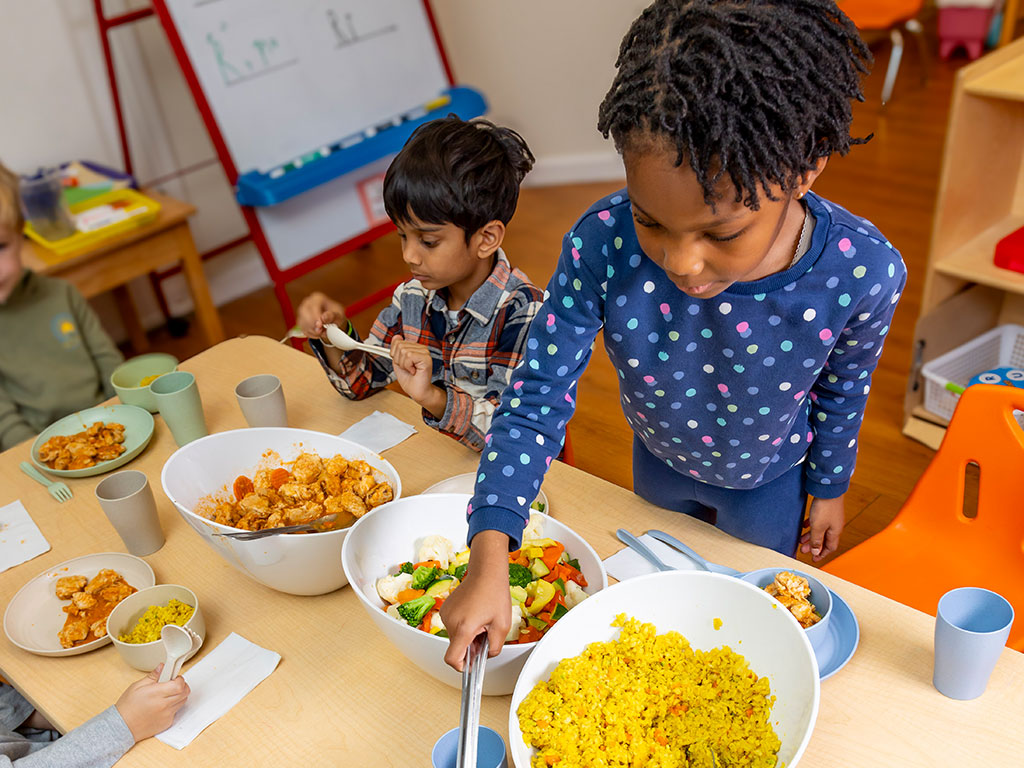
The morning sets the tone for the entire day.
For preschoolers, a calm, predictable morning routine provides much more than simply getting out the door on time—it helps children feel safe, confident, and prepared for learning. Whether your child is starting preschool for the first time or returning after summer break, establishing healthy habits before the school year begins can make the transition significantly smoother.
Research consistently shows that young children thrive on routine. Predictable schedules support emotional regulation, independence, and executive functioning skills, while reducing stress for both children and parents. A well-planned morning routine doesn't have to be complicated—it simply needs to be consistent.
Here are practical ways to build a morning routine that sets your preschooler up for success.
Why Morning Routines Matter
Young children rely on routines to understand what comes next.
When mornings feel rushed or unpredictable, children can become overwhelmed before they even arrive at school. On the other hand, a consistent routine helps children:
- Feel secure and confident
- Transition more easily between activities
- Develop independence
- Improve self-regulation
- Arrive at school calm and ready to learn
According to the National Association for the Education of Young Children (NAEYC), predictable daily routines help children build confidence and reduce anxiety during transitions.
Begin Adjusting Your Schedule Before School Starts
One of the biggest mistakes families make is waiting until the night before school begins to change their schedule.
Instead, start adjusting your family's routine one to two weeks before the first day.
Gradually move bedtime and wake-up time earlier by 10–15 minutes each day until you reach your desired schedule.
This gradual approach is much easier on children's bodies than making a sudden one-hour adjustment overnight.
Prioritize a Good Night's Sleep
A successful morning actually begins the night before.
The American Academy of Pediatrics recommends consistent sleep schedules because adequate sleep supports:
- Learning
- Memory
- Emotional regulation
- Attention
- Physical health
Create a calming bedtime routine that might include:
- Bath time
- Reading together
- Quiet conversation
- Dimming lights
- Turning off screens at least an hour before bedtime
A well-rested child is far more likely to have a positive morning.
Prepare the Night Before
One of the simplest ways to reduce morning stress is to handle as much as possible the evening before.
Consider preparing:
- Clothes
- Shoes
- Backpack
- Water bottle
- Lunch (if applicable)
- Any required forms or supplies
Children can even help choose their outfit or pack their backpack, giving them a sense of ownership and independence.
A few minutes of preparation at night can make mornings noticeably calmer.
Wake Up Before Your Child
Parents who have a few quiet moments before waking their children often find mornings feel less rushed.
Even 15–20 minutes allows you to:
- Get dressed
- Prepare breakfast
- Pack last-minute items
- Enjoy a cup of coffee
- Mentally prepare for the day
Starting your own morning calmly often helps children do the same.
Build Extra Time Into Your Schedule
Young children move at their own pace.
They stop to look at bugs.
They tell long stories while putting on their shoes.
They suddenly decide they need their favorite stuffed animal.
Rather than expecting everything to go perfectly, build an extra 10–15 minutes into your morning routine.
This buffer reduces stress if something unexpected happens—and with preschoolers, something unexpected usually does.
Eat a Nutritious Breakfast
Breakfast fuels children's growing bodies and developing brains.
Aim to include a balance of:
- Protein
- Whole grains
- Fruit
- Healthy fats
Simple breakfast ideas include:
- Whole-grain toast with peanut butter (if allergy-safe)
- Yogurt with berries
- Oatmeal and fruit
- Scrambled eggs with whole-grain toast
- Whole-grain waffles with fruit
Avoid relying solely on sugary cereals or pastries, which can lead to energy crashes later in the morning.
Encourage Independence
Morning routines are an excellent opportunity for children to practice everyday life skills.
Depending on your child's age, encourage them to:
- Get dressed
- Brush teeth
- Wash hands
- Put on shoes
- Carry their backpack
- Throw away breakfast dishes
- Zip their jacket
These small responsibilities help children build confidence while developing the independence they'll use throughout the school day.
Remember, independence develops through practice—not perfection.
Limit Screen Time Before School
It can be tempting to turn on a favorite show while everyone gets ready, but experts generally recommend keeping mornings screen-free whenever possible.
Screens can make it harder for children to transition to the next activity and may increase frustration when it's time to leave.
Instead, try:
- Playing calming music
- Listening to children's songs
- Reading a short book
- Talking about the day ahead
- Looking outside for birds or weather changes
These activities help children stay engaged while remaining connected to their family.
Create a Visual Morning Routine
Many preschoolers respond well to pictures rather than repeated verbal reminders.
Consider creating a simple chart showing:
- Wake up
- Use the bathroom
- Get dressed
- Eat breakfast
- Brush teeth
- Put on shoes
- Grab backpack
- Head to school
Children often enjoy checking off each step as they complete it.
Visual routines also encourage independence by reducing the need for constant reminders.
Practice Positive Goodbyes
Drop-off is part of the morning routine, too.
Keep goodbyes:
- Loving
- Brief
- Consistent
A hug, a smile, and a simple phrase like,
"Have a wonderful day! I'll see you after school."
helps children know exactly what to expect.
While it can be difficult to leave a child who is emotional, extending the goodbye often makes the transition harder.
Teachers are experienced in helping children settle into their day.
Give Yourself Grace
Not every morning will go perfectly.
Someone will spill the milk.
A favorite shoe will disappear.
Your child may suddenly refuse the blue shirt they happily picked out the night before.
That's okay.
Healthy routines aren't about perfection—they're about creating consistency over time.
Children benefit far more from calm, supportive adults than flawless mornings.
A Sample Preschool Morning Routine
Every family is different, but here's an example of what a smooth preschool morning might look like:
6:45 a.m. – Parents wake up
7:00 a.m. – Child wakes up
7:05 a.m. – Bathroom and get dressed
7:20 a.m. – Eat breakfast together
7:40 a.m. – Brush teeth and wash hands
7:45 a.m. – Put on shoes and jacket
7:50 a.m. – Grab backpack and water bottle
7:55 a.m. – Leave for school
Adjust the timing to fit your family's schedule while keeping the order of events consistent.
How The Brunswick School Supports Successful School Mornings
At The Brunswick School, we know that a positive morning sets the foundation for a successful day.
Our welcoming teachers greet children with warmth and encouragement, helping them transition comfortably from home to the classroom. Consistent daily schedules, engaging morning meetings, and developmentally appropriate routines provide children with the structure they need to feel confident and ready to learn.
We also believe that strong partnerships with families are essential. By working together to establish healthy routines at home and at school, we create an environment where children can thrive academically, socially, and emotionally.
Frequently Asked Questions
When should we start adjusting our morning routine?
Begin about one to two weeks before preschool starts. Small daily adjustments are typically easier than making one large change all at once.
What if my child isn't a morning person?
Consistency is key. Keeping regular bedtime and wake-up times—even on weekends—helps children's bodies adapt to an earlier schedule over time.
Should preschoolers eat breakfast before school?
Yes. A balanced breakfast provides the energy children need to participate in learning, play, and physical activity throughout the morning.
How can I make mornings less stressful?
Prepare as much as possible the night before, allow extra time for unexpected delays, maintain consistent routines, and focus on calm, positive interactions instead of rushing.
Start Every School Day with Confidence
Healthy morning routines don't happen overnight, but they can make a remarkable difference throughout the school year. With consistency, patience, and a little preparation, mornings can become a positive time for connection instead of a daily scramble.
At The Brunswick School, we partner with families to help children develop the confidence, independence, and healthy habits that support lifelong learning. From welcoming morning greetings to thoughtfully structured daily routines, our programs are designed to help every child begin each day feeling safe, valued, and ready to explore.
Interested in learning more about our programs? Schedule a tour and discover how The Brunswick School helps children build a strong foundation for school—and for life.